
Baby Oatmeal Recipes: 6 Easy Oatmeal Ideas from 6 Months
Lokmi Editorial Team · Last updated: · 5 min read
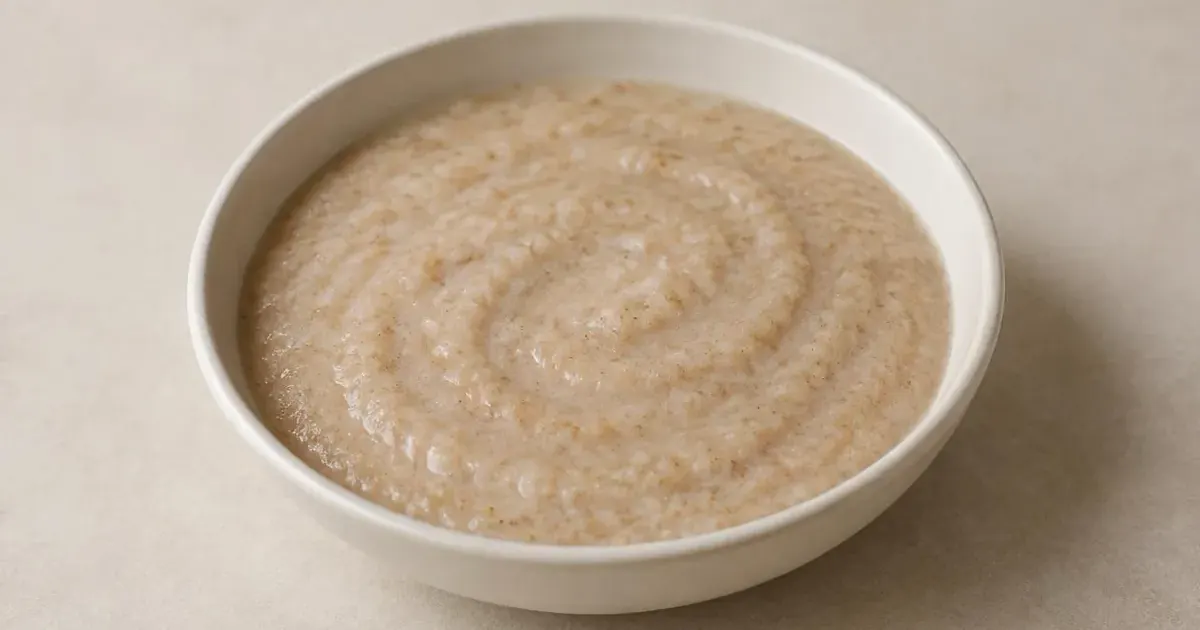
Babies can have oatmeal from around 6 months: cook plain oats in water or milk until very soft, blend or mash them, and sweeten only with fruit. Oatmeal (porridge in the UK) is quick, cheap and easy to vary, which makes it a reliable breakfast for babies who are just starting solids. Here's the basic method, the texture to aim for at each age, and 6 easy baby oatmeal recipes with no sugar or honey.
The basic method
For one small baby portion:
- Put 2 tbsp (20 g) rolled oats and ½ cup (120 ml) water or whole milk in a small pan.
- Bring to a simmer, stirring all the time, then cook gently for a few minutes until the oats are completely soft.
- For a younger baby, blend until smooth. Loosen with a little breast milk, formula or water.
- Let it cool, stir well and check the temperature before serving.
Rolled (old-fashioned) or quick oats work best. Steel-cut oats take much longer and stay chewy, so save them for older children or blend them well. For an extra-smooth first oatmeal, grind the oats to a powder before cooking.
Texture by age
| Age | Texture |
|---|---|
| 6-8 months | Blended, smooth and runny, on a spoon |
| 9-11 months | Thicker and slightly textured; let your baby try the spoon |
| 12 months+ | Thick, in their own bowl, eaten with their own spoon |
If your baby copes well with lumps, move on sooner: the NHS encourages mashed and lumpy textures as soon as babies can manage them.
6 easy baby oatmeal recipes
1. Apple oatmeal (6 months+)
Ingredients: 6 tbsp (about ⅓ cup / 30 g) rolled oats, ½ apple, 1 cup (240 ml) water, ½ cup (120 ml) whole milk
Peel and finely grate the apple. Simmer the oats, water and milk, stirring, then add the apple and cook gently for 5-6 minutes until the oats are soft. Blend for younger babies; for older ones, stir in small pieces of apple cooked until soft instead. Makes about 1½ cups (360 ml), so 2-3 baby portions.
2. Banana oatmeal (6 months+)
Stir half a mashed ripe banana into a portion of cooked oatmeal. Ripe banana brings plenty of sweetness on its own.
3. Blueberry oatmeal (6 months+)
Stir a small handful of fresh or frozen blueberries into the oatmeal and heat until they're completely soft, then mash or blend. Whole uncut berries are on the CDC's list of choking hazards, so make sure every one is squashed.
4. Apricot or prune oatmeal (6 months+)
Swirl a spoonful of smooth apricot or prune puree, made from soft-cooked fruit, into the oatmeal.
5. Tahini and banana oatmeal (6 months+)
Stir ½ tsp smooth tahini and some mashed banana into the oatmeal. Tahini is ground sesame, a common allergen, and the NHS advises introducing foods like this one at a time, in very small amounts, so you can spot any reaction (introducing allergens to babies).
6. Fruity oatmeal with banana sticks (10-12 months)
Based on the NHS fruity porridge recipe: cook 2 tbsp (20 g) oats in ½ cup (120 ml) whole milk, stir in a few berries and heat until completely soft, top with 1 tsp plain full-fat yogurt and serve with finger-sized banana sticks for your baby to hold.
From 12 months, you can also try overnight oats: stir oats into plain yogurt with grated apple in the evening and keep it in the fridge until breakfast.
No sugar, no honey, no syrup
Babies don't need sugar added to their food. Sweeten oatmeal with ripe fruit instead, and skip brown sugar and maple syrup. Never give honey before 12 months, because it can cause infant botulism. A pinch of cinnamon adds flavor without any sugar. More breakfast ideas: baby breakfast ideas.
Oats, rice cereal and iron
If rice cereal has been your baby's main grain, oatmeal is an easy way to add variety. In its advice on arsenic in food, the FDA recommends eating a variety of nutrient-dense foods across and within the main food groups, including grains, which is good for nutrition and can also limit exposure to a contaminant from any one food. Rotating oats with other grains such as millet, quinoa, cornmeal and rice does exactly that.
Iron matters too. The CDC lists iron-fortified infant cereals among iron sources for babies, so infant oat cereal counts. With homemade oatmeal, add a vitamin C food such as berries, which helps your baby absorb iron from plant foods, and offer iron-rich foods like eggs, meat, fish, beans and lentils across the day (iron-rich foods for babies).
Storing oatmeal
Cooked oatmeal keeps in the fridge for up to 2 days, or you can freeze it in small portions. Reheat it only once, until steaming hot, then let it cool. It thickens as it stands, so stir in a little water or milk.
More oatmeal ideas
Lokmi has many oatmeal and porridge recipes, from apple, banana and blueberry to apricot, prune, and tahini and banana, each with serving notes for your baby's age. Add a few to your weekly plan, and the oats and fruit go straight onto your shopping list.
This article is for general information. If you have concerns about your baby's health, growth or allergies, talk to your pediatrician.
Frequently asked questions
When can babies have oatmeal?
From around 6 months, when your baby starts solid foods. Cook the oats until very soft and blend them to a smooth, runny texture at first.
Is oatmeal better than rice cereal for babies?
Neither is essential, and the NHS says babies don't need baby rice to move on to solid foods. Oats are an easy non-rice grain, and the FDA advises eating a variety of foods, including different grains, which can limit exposure to a contaminant from any one food.
Can I make baby oatmeal with cow's milk?
Yes. The NHS says whole cow's milk can be used in cooking or mixed with food from around 6 months. It shouldn't be your baby's main drink until 12 months.
Sources
Related articles
Recipes
Baby Puree Recipes: 12 Easy First Purees from 6 Months
12 easy homemade baby puree recipes: pumpkin, carrot, broccoli, avocado, lentil and meat purees, plus storage and freezing tips.
3 min read
Recipes
Baby Soup Recipes: 8 Nourishing, Salt-Free Soups for Babies
Baby soup recipes without salt: red lentil, pumpkin, chicken and vegetable, broccoli and zucchini yogurt soup, with the right texture by age and freezing tips.
4 min read
Recipes
Baby Breakfast Ideas: 15 Easy Breakfasts from 6 Months to 2
Baby breakfast ideas from 6 months to 2 years: easy, nourishing options for each stage, a sugar-free pumpkin pancake recipe and tips to save time each morning.
4 min read