When to Start Solids: 5 Signs Your Baby Is Ready
Lokmi Editorial Team · Last updated: · 3 min read
Your mother-in-law says to start at 4 months, a friend's baby was eating porridge at 5, and every forum has a different answer. The good news: there is clear, up-to-date guidance. Here is when to start solids, based on World Health Organization (WHO) and pediatric recommendations.
The short answer: around 6 months
WHO, UNICEF and most national health services agree: breast milk (or formula) only for the first 6 months, then solid foods alongside it from around 6 months.
Why 6 months? Two things happen around this age:
- Your baby's iron and zinc stores start to run low. Breast milk is still incredibly valuable, but it can no longer cover all of these needs on its own.
- Your baby's gut, kidneys and oral motor skills are ready for food other than milk.
5 signs your baby is ready
The calendar matters, but so does your baby. Most babies show these signs together around 6 months:
- Sits upright with support and holds their head steady.
- The tongue-thrust reflex has faded. They no longer automatically push food out with their tongue.
- Can grab objects and bring them to their mouth.
- Shows interest in food: watches you eat, opens their mouth, reaches for your plate.
- Can swallow: most of the food doesn't come straight back out.
Waking more at night is often taken as a sign of hunger, but research doesn't show that early solids improve sleep. Sleep changes are usually linked to growth spurts and developmental leaps.
Risks of starting too early
Starting solids before 6 months isn't recommended; if your baby needs to start earlier, that's a decision for your pediatrician. Starting too early can mean:
- Your baby drinks less milk and may miss out on nutrients.
- A higher risk of diarrhea and infections, as the gut isn't ready yet.
- Food going down the wrong way, since swallowing skills haven't developed.
Risks of starting too late
Waiting until 7 or 8 months isn't ideal either. Starting late can:
- Increase the risk of iron deficiency (see iron-rich foods for babies).
- Make it harder to accept new textures later on.
- Delay introducing allergens, which may raise rather than lower allergy risk (see introducing allergens to babies).
How to approach the first day
- Pick a time when your baby is rested and happy, not too hungry or tired.
- Offer a few teaspoons of the new food, then top up with breast milk or formula.
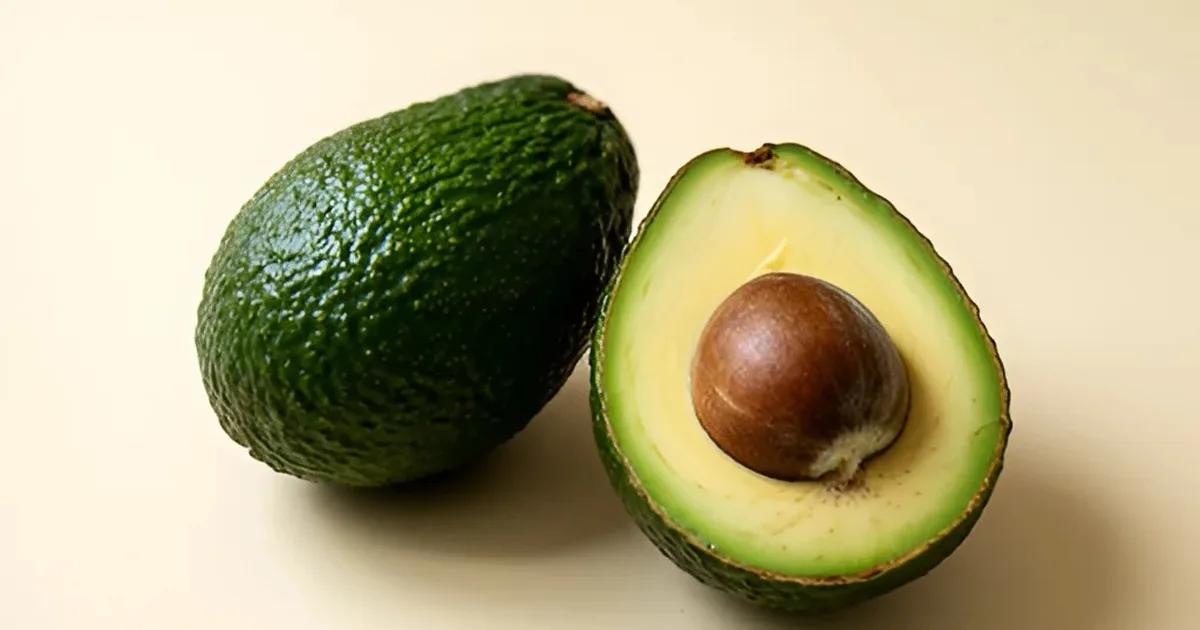
- Start with a single-ingredient, smooth or soft food: pumpkin, carrot, zucchini, avocado or an iron-rich food.
- Don't add salt, sugar or honey.
- If they don't eat, don't push. In the first weeks the goal is getting to know food, not filling up.
Need ideas? See our first foods for babies guide.
Tracking makes it easier
In the first weeks you introduce new foods one at a time. Some foods are loved, some get a scrunched-up face, and it quickly becomes hard to remember what you tried and when. Lokmi's Food Journey is built for exactly this: log each new taste in a few taps, and Lokmi shapes its next suggestions around your baby's age, stage and history. Food Journey logs are always free.
In short
- Start solids around 6 months, when your baby shows the readiness signs.
- Don't start before 6 months, and don't wait much past 6 months either.
- Keep breastfeeding or formula feeding: solids come alongside milk, not instead of it.
This article is for general information. If your baby was born prematurely, has reflux, a history of allergies or growth concerns, talk to your pediatrician before starting solids.
Frequently asked questions
Can I start solids at 4 months?
The general recommendation is to start around 6 months. Starting before 6 months isn't recommended; if your baby needs to start earlier, that's a decision for your pediatrician.
When should a premature baby start solids?
For babies born prematurely, the timing is individual. Make this decision together with your pediatrician.
Should I cut back on breast milk or formula when starting solids?
No. In the first months, solid food is added alongside breast milk or formula, not instead of it. WHO recommends continuing breastfeeding up to 2 years and beyond.
Sources
Related articles
Starting solids
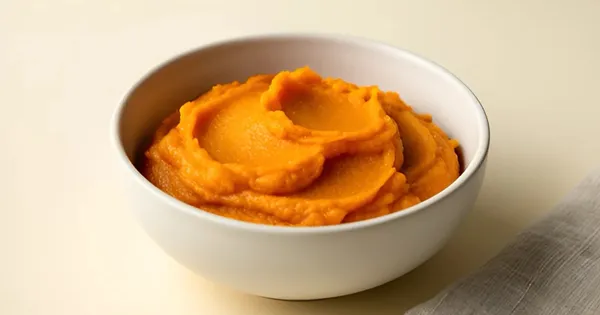
Starting Solids Guide: Meals, Textures and Foods, 6 to 12 Months
A step-by-step starting solids guide: how many meals a day, which textures suit each age, when to add each food from 6 to 12 months, and mistakes to avoid.
5 min read
Starting solids
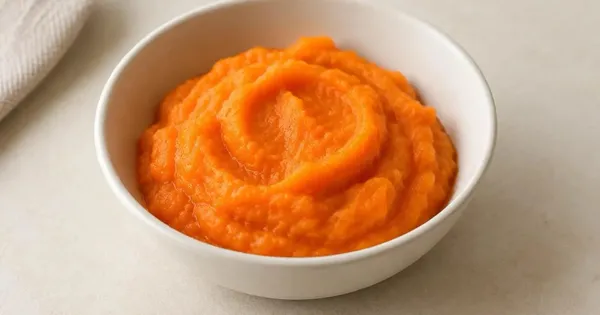
First Foods for Babies: 12 Best Foods to Start Solids
What should be your baby's first food? A starter list of vegetables, fruits, grains and iron-rich foods, plus a sample first 15 days and preparation tips.
3 min read
Starting solids
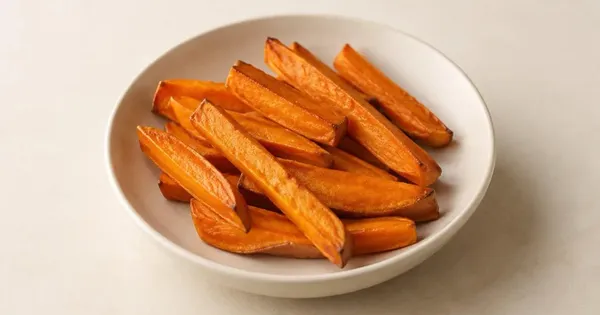
Baby-Led Weaning (BLW): A Beginner's Guide with First Foods
What is baby-led weaning, is it safe, and how do you start? Benefits, safety rules, how to cut foods and the best first BLW foods.
2 min read