
First Foods for Babies: 12 Best Foods to Start Solids
Lokmi Editorial Team · Last updated: · 3 min read
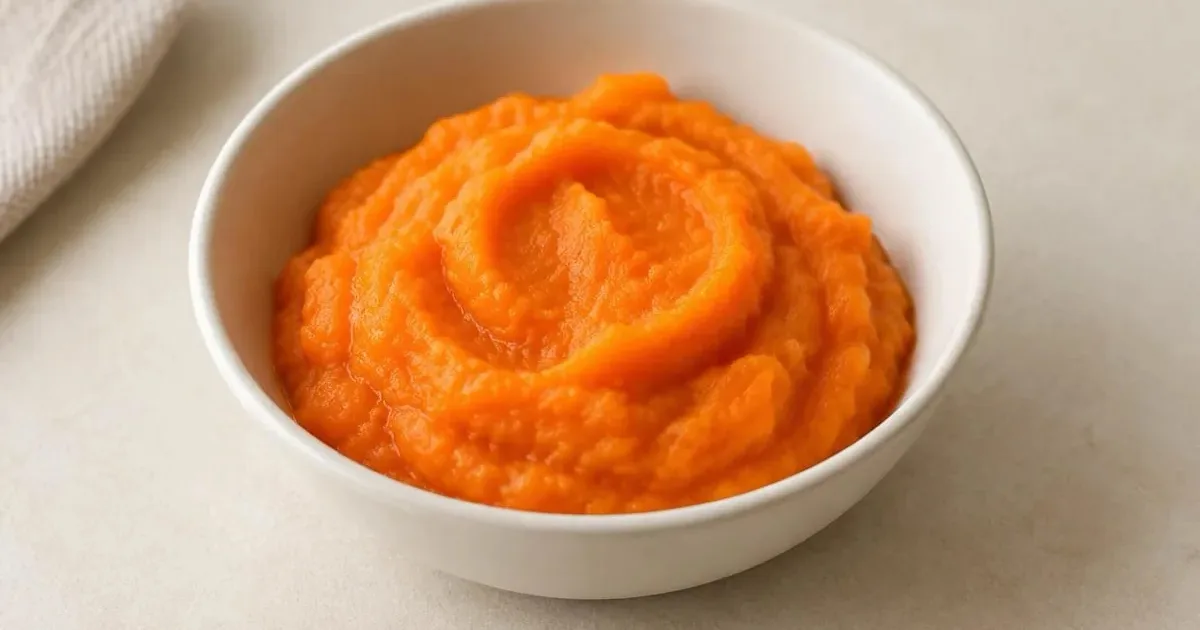
The big day is here and there's one question on your mind: what should my baby eat first? There's no single "right" first food. What matters is introducing a variety of flavors and iron-rich foods in the first weeks.
3 rules for first foods
- Single ingredient: Start with one-ingredient foods so you can see what your baby likes and spot the cause of any reaction.
- Soft texture: Smooth puree, well mashed, or soft pieces that squash easily between tongue and palate.
- Nothing added: No salt, sugar, honey or stock cubes. A little olive oil is fine and adds flavor and energy.
12 great first foods
Vegetables
- Pumpkin / butternut squash: Naturally sweet, most babies love it. Roast or steam and mash.
- Carrot: Steam until very soft and puree. Rich in beta-carotene.
- Zucchini: Mild and easy to mix with other vegetables.
- Broccoli: Getting used to slightly bitter flavors early can help with veggie acceptance later. Steam the florets.
- Sweet potato: Creamy and sweet, very practical.
Fruits
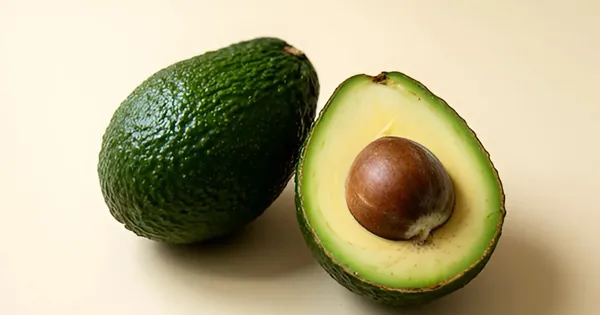
- Avocado: No cooking needed, just mash. Full of healthy fats.
- Banana: Mash a ripe banana. Go easy if your baby tends toward constipation.
- Apple and pear: Hard when raw, so steam and puree.
Grains
- Oats: Cook with water or breast milk into a smooth porridge.
- Rice: As porridge. Rotate with oats, barley, semolina or bulgur rather than relying on rice alone (arsenic).
Iron-rich foods
- Beef or chicken (from 7 months): Cooked and finely blended into a vegetable puree. Iron needs rise sharply after 6 months.
- Red lentils (from 7 months): Quick to cook and easy to mash. Great with pumpkin or carrot.
Tip: Pairing an iron-rich food with a vitamin C source (lentils + tomato, beef + broccoli) helps absorption. More in iron-rich foods for babies.
Sample first 15 days
| Days | New food |
|---|---|
| 1-3 | Pumpkin puree |
| 4-6 | Mashed avocado |
| 7-9 | Carrot puree |
| 10-12 | Pear puree |
| 13-15 | Oat porridge |
This is an example, not a rule. Each new food gets a few days so that, if there's a reaction, it's easier to tell which food caused it. For egg, peanut and other common allergens, see introducing allergens to babies.
Where are the recipes?
You'll find all of these in Lokmi, with ingredients, step-by-step instructions and serving notes for your baby's stage: pumpkin puree, carrot and lentil puree, pear and broccoli puree, avocado and banana mash and more. Lokmi suggests something new each day based on what your baby has already tasted, so the same purees don't keep coming back. For more ideas see our baby puree recipes.
This article is for general information. If there's a family history of food allergy, or your baby has eczema, talk to your pediatrician before introducing new foods.
Frequently asked questions
Should baby cereal be the first food?
It can be, but it isn't necessary. Plain rice cereal is low in iron unless fortified, and rice shouldn't be the only grain because of arsenic. Variety with vegetables, fruits and iron-rich foods in the first weeks is more useful.
Which vegetable should I start with?
Pumpkin, carrot, zucchini and sweet potato are easy to prepare and well accepted. Offering slightly bitter vegetables like broccoli and cauliflower early on also helps babies accept a wider range of flavors.
How often can I introduce a new food?
The AAP recommends introducing new foods one at a time, waiting 3-5 days between each. This gap makes it easier to find the cause if there's a reaction.
Sources
Related articles
Starting solids
When to Start Solids: 5 Signs Your Baby Is Ready
When should babies start solid food? What WHO and pediatric guidelines recommend, the 5 signs of readiness, and the risks of starting too early or too late.
3 min read
Starting solids
Starting Solids Guide: Meals, Textures and Foods, 6 to 12 Months
A step-by-step starting solids guide: how many meals a day, which textures suit each age, when to add each food from 6 to 12 months, and mistakes to avoid.
5 min read
Starting solids
Baby-Led Weaning (BLW): A Beginner's Guide with First Foods
What is baby-led weaning, is it safe, and how do you start? Benefits, safety rules, how to cut foods and the best first BLW foods.
2 min read