
Finger Foods for Babies: 20 Ideas and How to Cut Them by Age
Lokmi Editorial Team · Last updated: · 4 min read
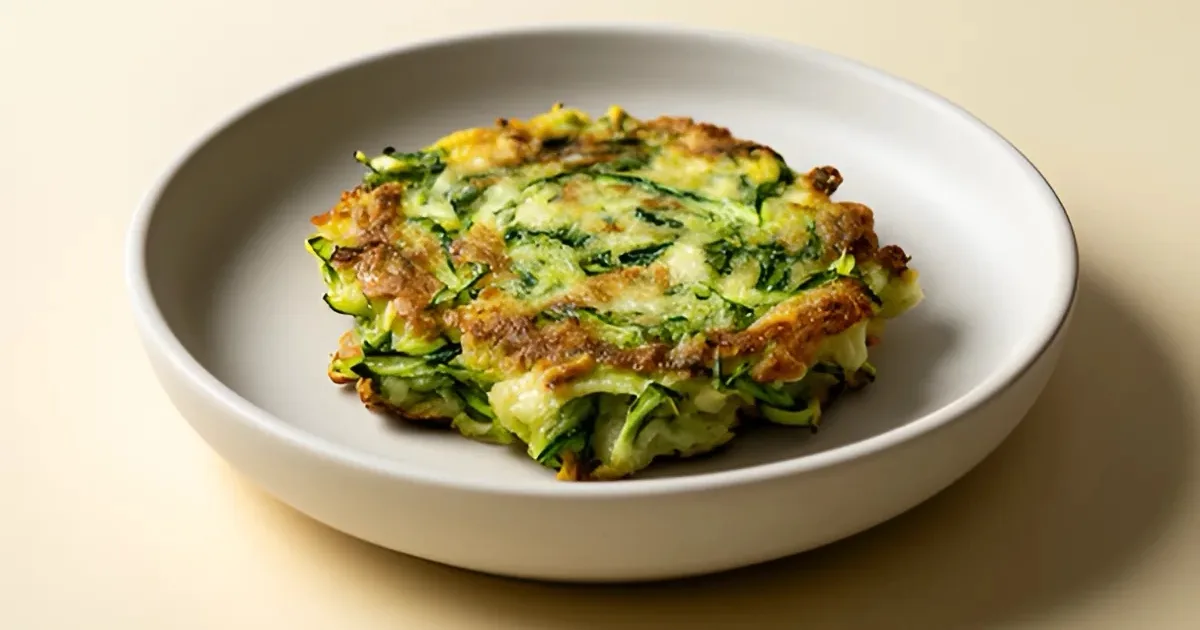
Finger foods are soft pieces of food your baby picks up and feeds to themselves. You can offer them from around 6 months, once your baby sits upright and brings things to their mouth, as long as every piece is soft enough to squash between your thumb and finger. Whether you follow baby-led weaning or started with purees, finger foods help your baby practice hand-eye coordination, biting and chewing.
Cutting guide by age
| Age | Shape | Why |
|---|---|---|
| 6-8 months | Long sticks, about as thick as an adult's little finger, long enough to stick out of the fist | Your baby grabs with the whole hand and can't yet pick things up with their fingertips |
| 9-12 months | Small, soft bites about the size of a chickpea | The pincer grasp develops, so your baby can pick up small pieces one at a time |
| 12 months+ | Close to family food, in bite-sized pieces | Chewing skills are much stronger |
Golden rule: every piece should squash easily between your thumb and forefinger. If it doesn't, cook it longer or serve it a different way.
US and UK advice describe size a little differently. The NHS says first finger foods work well at about the size of your own finger, big enough to hold in a fist with a bit sticking out. The AAP advises cutting food for infants and young children into pieces no larger than ½ inch (about 1 cm). Both agree on the essentials: food should be soft and easy to swallow, and round or hard foods should be cut small or avoided.
20 finger food ideas
Vegetables
- Baked sweet potato fingers
- Steamed broccoli florets (the stalk makes a handle)
- Baked zucchini sticks
- Soft-cooked carrot sticks
- Roasted cauliflower
- Baked zucchini fritters (mücver, a Turkish favorite), shaped into fingers
Fruit
- Ripe avocado slices (roll them in oat flour if they're slippery)
- Banana, halved, with part of the peel left on as a handle
- Ripe pear and peach slices
- Melon and watermelon sticks, seeds removed
- Baked cinnamon apple slices, cooked until soft
Protein
- Omelet strips, fully cooked
- Hard-boiled egg slices
- Long, soft meatballs or patties (turkey and carrot meatballs, red lentil köfte)
- Homemade baked fish fingers
- Baked tofu fingers
We introduce meat, poultry, fish and lentils from 7 months; the NHS lists them all from around 6 months. Always check fish carefully for bones.
Grains
- Banana oat pancake strips
- Toast fingers with ricotta
- Soft-cooked pasta (fusilli and penne are easy to hold)
- Sugar-free banana oat muffins
Finger foods to avoid
Whole grapes, cherry tomatoes that aren't cut into quarters, whole nuts, raw carrot and apple, sausages and hot dogs, popcorn, and hard crusty bread or hard crackers. The CDC also lists uncut berries, large chunks of cheese, whole beans and chunks or spoonfuls of nut butter among choking hazards. Full list: choking hazards for babies.
Making slippery foods easier to grip
Avocado, banana and ripe fruit can slide straight out of little hands. Try:
- Rolling pieces in oat flour, ground flaxseed or fine breadcrumbs
- Using a crinkle cutter to give them ridges
- Leaving some peel on as a handle (banana, avocado)
Mess is normal
Your baby will squash, throw and smear food. That's how they get to know it, and the NHS encourages letting babies enjoy touching and holding their food. A mat under the high chair, a bib with sleeves and plenty of patience are all you need.
Stay safe while they explore:
- Always stay with your baby while they eat, and keep them sitting upright, never eating while lying down, crawling, walking or in the car.
- Expect some gagging. It's loud and a normal part of learning. Choking is often quiet (gagging vs choking).
- If your baby is choking and can't breathe, call emergency services straight away: 911 (US and Canada), 999 (UK) or 000 (Australia).
A cutting note in every recipe
The question parents ask most about finger foods is "Is this size right?" Every recipe in Lokmi comes with serving notes for your child's age: the same baked zucchini sticks are long, soft sticks to hold in a fist for a younger baby, and thinner sticks or small soft pieces once the pincer grasp arrives. Finger food recipes like baked sweet potato fingers, spinach and cheese muffins and carrot and oat pancakes are ready to add to your weekly plan.
This article is for general information and doesn't replace first-aid training. If your baby has swallowing difficulties or a developmental delay, talk to your pediatrician before starting finger foods.
Frequently asked questions
When can babies start finger foods?
With baby-led weaning, from around 6 months; if you started with spoon-feeding, they usually come in around 7-8 months, though the NHS suggests offering some from the start. What matters most is that your baby can sit upright and bring things to their mouth.
How should I cut finger foods for my baby?
At 6-8 months, offer long sticks about as thick as an adult's little finger and long enough to stick out of your baby's fist. From around 9 months, offer small soft pieces about the size of a chickpea. Every piece should squash easily between your thumb and finger.
What snacks can I give my baby?
The NHS says babies under 12 months don't need snacks and suggests extra milk feeds if they seem hungry between meals. For toddlers, soft fruit slices, cooked vegetable sticks, plain yogurt and sugar-free muffins or pancakes work well; check labels on packaged baby snacks for added sugar.
Sources
Related articles
Recipes
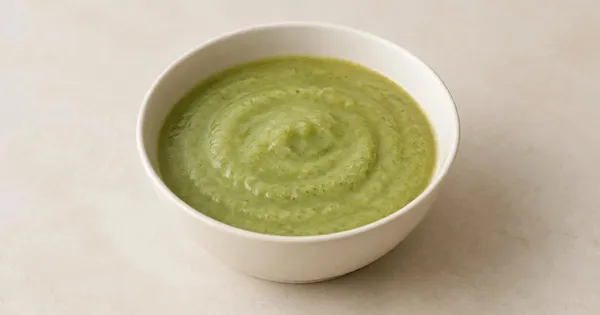
Baby Puree Recipes: 12 Easy First Purees from 6 Months
12 easy homemade baby puree recipes: pumpkin, carrot, broccoli, avocado, lentil and meat purees, plus storage and freezing tips.
3 min read
Recipes
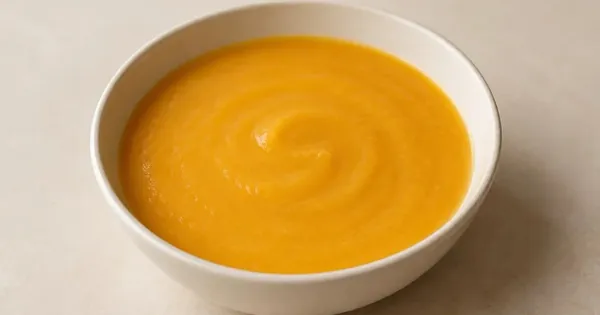
Baby Soup Recipes: 8 Nourishing, Salt-Free Soups for Babies
Baby soup recipes without salt: red lentil, pumpkin, chicken and vegetable, broccoli and zucchini yogurt soup, with the right texture by age and freezing tips.
4 min read
Recipes
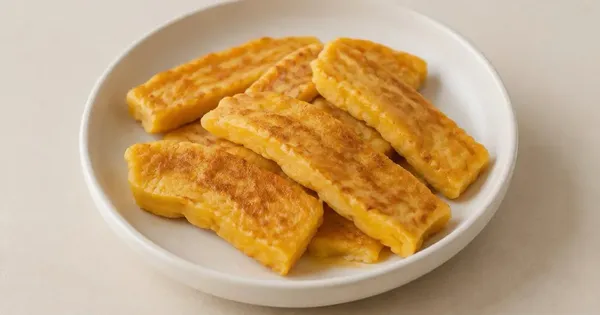
Baby Breakfast Ideas: 15 Easy Breakfasts from 6 Months to 2
Baby breakfast ideas from 6 months to 2 years: easy, nourishing options for each stage, a sugar-free pumpkin pancake recipe and tips to save time each morning.
4 min read