
Gagging vs Choking in Babies: How to Tell the Difference
Lokmi Editorial Team · Last updated: · 4 min read
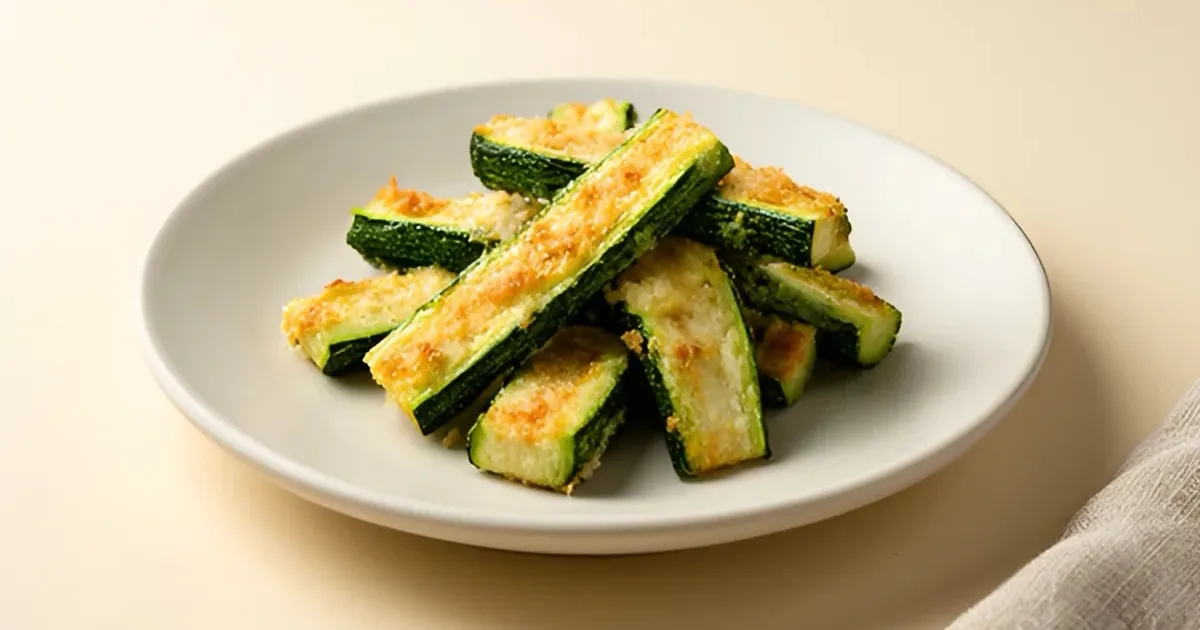
For most parents starting solids, the biggest fear is "what if my baby chokes?" If your heart skipped a beat the first time your baby gagged, that's completely normal. Here's the key difference: gagging is loud and a normal part of learning to eat; choking is often quiet, and your baby can't breathe properly. Choking is an emergency. Below you'll find how to tell them apart, what to do, and how to lower the risk.
What is gagging?
Gagging is a protective reflex. NHS describes it as normal while babies learn to chew and swallow solid foods: they're working out how much food they can manage at one time. The reflex brings a piece that's too big back to the front of the mouth. In other words, gagging is your baby's body saying "that's too much, try again". With practice, babies learn to cope with different textures and harder foods.
Gagging vs choking: the signs
| Gagging | Choking | |
|---|---|---|
| Sound | Loud: coughing, retching noises | Quiet, or very weak sounds; can't cry or make noise |
| Skin | May look red (harder to see on brown or black skin) | May turn blue; on brown or black skin, check the gums, inside the lips and fingernails |
| Mouth and cough | Tongue pushes forward or out, food comes forward; may retch or vomit | Cough is silent or not effective |
| Breathing | Can breathe | Can't breathe properly; may gasp or wheeze |
| Other signs | Watery eyes | May look panicked, wave their arms or go limp |
| What to do | Stay calm and watch | Act now and get emergency help |
In short: loud is usually gagging; silent is dangerous.
What to do when your baby gags
- Stay calm and keep your voice relaxed.
- Make sure they're sitting upright.
- Don't poke your finger into their mouth to fish the food out. NHS warns that poking blindly can push food further in.
- Give your baby a moment to bring the food forward themselves. That's exactly what the reflex is for.
If your baby is choking
If your baby can't cough, cry or breathe properly, act straight away. The NHS page "How to stop a child from choking" sets out what to do:
- If your baby is coughing loudly, encourage them to keep coughing and stay with them.
- If the cough is silent or they can't breathe in properly, shout for help immediately.
- For babies under 1, NHS describes back blows and chest thrusts, and explains exactly how to give them.
- Call emergency services if the blockage doesn't come out: 911 (US and Canada), 999 (UK) or 000 (Australia). If your baby becomes unconscious, call straight away.
- Even if the food comes out, get medical help afterwards. Part of it may have been left behind.
Reading the steps once is a start, but practicing them is what makes them stick. That's why a first-aid course is on the list below.
How to lower the risk of choking
- Always seat your baby upright in a high chair for meals. The CDC advises no eating while lying down, crawling, walking or in the car or stroller.
- Never leave your baby alone while eating. Keep distractions like phones and TV away, and watch what goes into their mouth.
- Mind the shape. Cut small round foods such as grapes, cherry tomatoes and pitted olives into quarters.
- Do the squish test. Every piece you offer should squash easily between your thumb and forefinger. If it doesn't, cook it longer or prepare it differently.
- Skip high-risk foods altogether: whole nuts, popcorn and hard candy, for example. The full list is in choking hazards for babies.
- Take a baby first-aid course. The AAP recommends a certified CPR and first-aid class (in the US, through the American Red Cross or American Heart Association), and NHS points UK parents to British Red Cross courses. Similar short courses run in Canada and Australia.
Match the texture to your baby's stage
Trying to avoid gagging entirely shouldn't mean months of smooth purees. Moving up textures step by step helps your baby learn to chew, move food around their mouth and swallow. Which textures suit which age is covered in our starting solids guide, and if you're offering finger foods from the start, see our baby-led weaning guide.
Every recipe in Lokmi comes with short serving notes for your baby's stage that show how to cut and serve it. The same baked zucchini sticks, for example, are suggested as long soft sticks your baby can hold in a fist at 7-8 months, and as thinner sticks or small soft pieces at 9-11 months. So you don't have to work out "is this the right size?" from scratch every time.
This article is for general information and doesn't replace first-aid training. In an emergency, call 911 (US and Canada), 999 (UK) or 000 (Australia) immediately.
Frequently asked questions
Is it normal for a baby to gag on solid food?
Yes. Gagging is a normal reflex while babies learn to chew and swallow solid foods. It's common when they meet new textures, and babies gradually learn to cope with them.
What should I do when my baby gags?
Stay calm, make sure your baby is sitting upright, and watch. Don't poke your finger into their mouth to pull the food out: NHS warns this can push it further in.
What do I do if my baby is choking?
If your baby can't cough, cry or breathe properly, it's an emergency. Shout for help and start first aid for choking babies (NHS describes back blows and chest thrusts for babies under 1), and call 911 (US and Canada), 999 (UK) or 000 (Australia) if the blockage doesn't come out. A baby first-aid course teaches these steps hands-on.
Sources
Related articles
Starting solids
When to Start Solids: 5 Signs Your Baby Is Ready
When should babies start solid food? What WHO and pediatric guidelines recommend, the 5 signs of readiness, and the risks of starting too early or too late.
3 min read
Starting solids
Starting Solids Guide: Meals, Textures and Foods, 6 to 12 Months
A step-by-step starting solids guide: how many meals a day, which textures suit each age, when to add each food from 6 to 12 months, and mistakes to avoid.
5 min read
Starting solids
First Foods for Babies: 12 Best Foods to Start Solids
What should be your baby's first food? A starter list of vegetables, fruits, grains and iron-rich foods, plus a sample first 15 days and preparation tips.
3 min read