
Picky Eater Toddler: 10 Tips That Work and What to Avoid
Lokmi Editorial Team · Last updated: · 4 min read
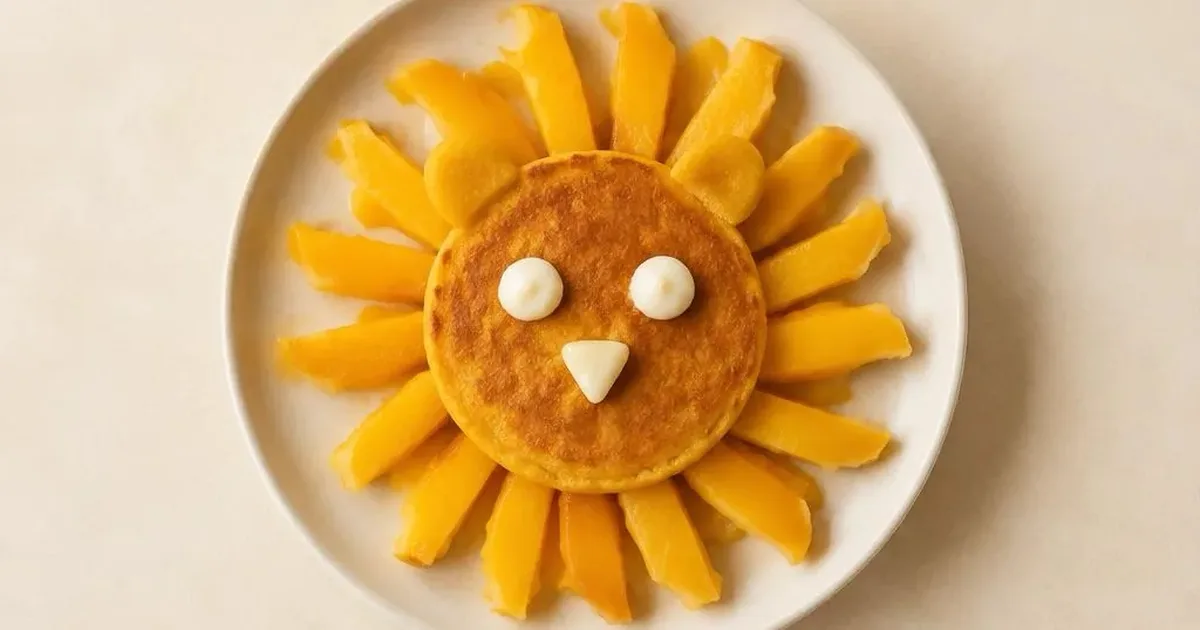
Your toddler happily ate broccoli last month and today pushes the plate away? You're not alone. Picky eating is very common in toddlers and is usually a normal part of development. What helps: calm, regular meals, small portions next to a food your child likes, and lots of relaxed repeat offers, without pressure, bribes or battles.
Why do toddlers get picky?
- Wariness of new foods (food neophobia). Toddlers often approach unfamiliar foods with caution. NHS says it's perfectly normal for toddlers to refuse to eat, or even taste, new foods.
- Slower growth. After the rapid growth of the first year, a toddler's growth rate and appetite slow down, the AAP explains.
- Wanting independence. Saying "no" is one way to practice being in control.
- Look and texture. Some children are put off by how a food looks or feels, and the same food served a different way can go down fine.
- Snacks and drinks between meals. Constant grazing takes the edge off hunger at mealtimes.
Why pressure doesn't work
"One more bite", "no dessert until you finish", "look, your brother's eating it"... The AAP warns that pressuring children to eat, or punishing them when they don't, can make them actively dislike foods they might otherwise like. Using dessert as a reward backfires too: it makes the "prize" food more exciting and turns the food you want them to try into a chore. NHS puts it plainly: your child may start to think of sweets as nice and vegetables as nasty.
Who decides what
A widely used approach is the Division of Responsibility in Feeding from the Ellyn Satter Institute:
- You decide what food is served, and when and where it's eaten.
- Your child decides how much to eat, and even whether to eat.
The AAP says much the same: it's a parent's responsibility to provide food, and the child's decision to eat it.
10 tips that work
- Regular mealtimes. Three meals and two snacks at set times, with no constant grazing in between. NHS says 2 healthy snacks a day is plenty.
- A "safe" food on every plate. Include something your child likes (bread, rice, yogurt) with a small portion of the new food beside it. Serve one family meal rather than cooking a separate one after a refusal.
- Repeat, repeat, repeat. It can take 10 or more tastes before a toddler accepts a new food (AAP). A refusal doesn't mean "doesn't like it"; it means "still getting to know it".
- Small portions. A little food on the plate is less overwhelming.
- Eat together. Children learn to eat and enjoy new foods by copying you.
- Screen-free table. TV off, phones and tablets away.
- Invite them into the kitchen. Washing vegetables, stirring and helping set the table build curiosity.
- Playful presentation. A pancake lion, an avocado frog, a carrot sun...
- Same food, different form. Not keen on broccoli soup? Try broccoli and cheese fritters. NHS gives the example of a child who refuses cooked carrots but enjoys raw grated carrot.
- Praise trying, not finishing. Swap "Good job, you finished!" for "You tried something new today!"
Make the plate a little adventure
Serving familiar foods in new shapes sparks curiosity. The AAP notes that toddlers are especially open to trying foods arranged in eye-catching, creative ways, and that most children this age love anything with a dip. A face made of soft-cooked vegetables, soft fruit with a yogurt dip, or a sandwich cut into stars can turn "no" into "what's that?".
Refusing isn't failing
A "no" today isn't a "no" forever. NHS points out that children's tastes change: one day they'll hate something, and a month later they may love it. Keep going back to foods your child didn't like before, in small amounts. If you'd like less waste, the AAP suggests offering new foods in small amounts and waiting a week or two before offering the same one again.
When to talk to your pediatrician
NHS says that if your child is active, gaining weight and seems well, they're getting enough to eat. Talk to your pediatrician if:
- Your child is losing weight or not growing as expected
- They seem unwell or low on energy
- They refuse a whole food group
- Mealtimes have become a major source of stress for the family
- Anything else about their eating worries you
Your pediatrician can help troubleshoot, check that your child is getting the nutrients they need, and point you to further support if it's needed.
Small wins add up
Lokmi's playful plates turn familiar foods into a lion pancake, an avocado frog or a pineapple sun, with step-by-step ideas suited to your child's age. And in Food Journey you can log each try, including the days your child didn't try it, so you can see how often a food has been offered and remember that trying again is completely normal.
Related: 2 year old meal plan · 1 year old feeding schedule
This article is for general information. If you have concerns about your child's growth or diet, talk to your pediatrician.
Frequently asked questions
My toddler won't eat any vegetables. What should I do?
Keep offering vegetables calmly, in small amounts and in different forms, without pressure. The AAP says it can take 10 or more tastes before a toddler accepts a new food. Adding vegetables to familiar dishes such as meatballs, pancakes, soups and sauces can help too.
At what age does picky eating stop?
There's no set age. The AAP describes picky eating as a normal stage for toddlers and says that, with time, their appetite and eating behaviors level out. Keep offering a variety of foods in the meantime.
When should I worry about a picky eater?
Talk to your pediatrician if your child is losing weight or not growing as expected, seems unwell, refuses a whole food group, or if mealtimes have become a big source of stress. NHS says that a child who is active, gaining weight and seems well is getting enough to eat.
Sources
Related articles
Health and nutrition
Choking Hazards for Babies: Foods to Avoid and How to Cut Them Safely
Which foods are choking hazards for babies and toddlers? A printable list of high-risk foods, how to cut them safely, and foods to avoid before 12 months.
3 min read
Health and nutrition
Iron-Rich Foods for Babies: 14 Foods and How to Boost Absorption
Why babies need iron after 6 months, signs of iron deficiency, 14 iron-rich foods for babies and the foods that help or block iron absorption.
2 min read
Health and nutrition
Foods for Baby Constipation: What Helps When Starting Solids
Foods for baby constipation: why it's common when starting solids, fiber-rich foods that help, foods to balance, a sample day and when to call the doctor.
5 min read