
Foods for Baby Constipation: What Helps When Starting Solids
Lokmi Editorial Team · Last updated: · 5 min read
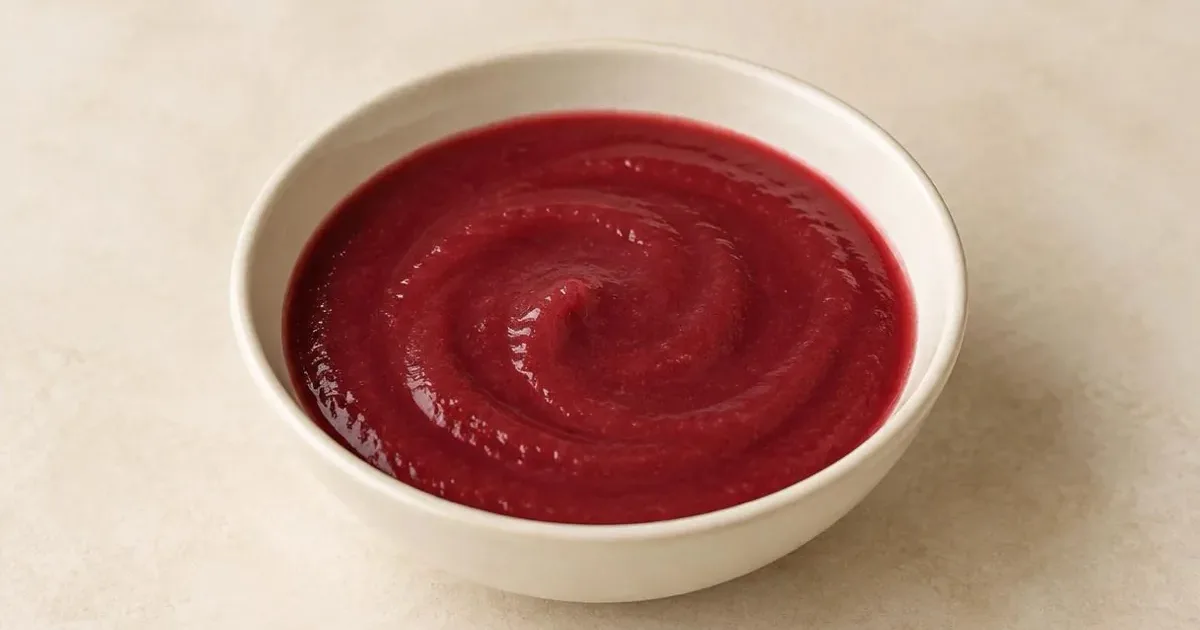
A few days or weeks after starting solids, is your baby straining and getting nowhere? Don't worry: constipation is common when babies start solid foods. Fiber-rich foods such as pears, prunes (as a smooth puree) and plums, along with oats, vegetables and sips of water with meals, often help. If it doesn't improve within a few days, or you notice any warning signs, talk to your doctor. Here's why it happens and what you can do with food.
What counts as constipation?
How often babies poo varies a lot from baby to baby. The AAP says the most important thing is how soft the poo is, not how often it comes. Signs of constipation include:
- Poo that's hard, dry, lumpy or pellet-like, or larger than usual
- Your baby straining or seeming in pain when pooing
- Pooing fewer than 3 times in a week, or much less often than is normal for them
- A firm tummy, or being less hungry than usual
Why it happens when starting solids
- New foods to digest. NHS describes it simply: your baby's body is learning to cope with digesting new things.
- Not enough fiber. In older babies, NHS links constipation to too little fruit, vegetables and cereals.
- Not enough fluids, for example when your baby is teething or unwell.
- Formula made up too strong. Always follow the instructions on the packet: NHS warns that adding too much formula powder can cause constipation.
Foods that can help
The "P" fruits. In English-speaking homes, prunes, pears, peaches and plums are the classic fruits for constipation, and NHS names apples, pears and prunes as particularly good:
- Prunes: as a smooth puree only. Whole or chopped dried fruit is a choking hazard.
- Pears: soft and ripe, or cooked and mashed
- Plums, peaches and apricots: fresh, ripe and mashed, with stones and tough skin removed. We wait until 12 months for dried apricots.
- Apples: cooked until soft
Other helpful foods:
- Oats, as porridge
- Vegetables: broccoli, peas, zucchini, spinach, sweet potato
- Pulses: well-cooked lentils and chickpeas (from 7 months in our recipes and plans)
- Grains: bulgur, and buckwheat from 9 months
- Kiwi: the AAP mentions it as a higher-fiber fruit that children often enjoy
- Water: sips from an open or free-flow cup with meals from around 6 months (when can babies drink water)
Keep fluids up, but extra water on its own usually isn't enough, so pair it with fiber-rich food. NHS also suggests two gentle tricks: lie your baby down and move their legs as if they're riding a bicycle, or give a gentle tummy massage if they're happy lying down.
Foods to balance, not ban
The AAP notes there's no specific "constipation diet" proven to prevent or treat constipation, so no food is off-limits. But if your baby's meals have leaned heavily on lower-fiber foods such as baby rice, rice cereal, white bread and white pasta, shift the balance toward fruit, vegetables, oats and pulses for a while.
Don't swing to whole grains only, though. NHS advises against giving under-2s only wholegrain starchy foods, because high-fiber food can fill them up before they've had the energy and nutrients they need.
Sample day for a constipated baby
| Meal | Menu |
|---|---|
| Breakfast | Oat porridge with mashed pear |
| Lunch | Red lentils with pumpkin and a drizzle of olive oil (from 7 months) |
| Dessert | Plum or prune puree swirled into plain yogurt |
| Dinner | Sweet potato and broccoli mash |
Offer sips of water from a cup with each meal. If your baby is just starting out, see our starting solids guide for how many meals suit their age.
When to see the doctor
Talk to your pediatrician, GP or health visitor if:
- Your baby is under 8 weeks old and hasn't pooed for 2 or 3 days
- Things don't improve after a few days of changes to food and drinks
- There's blood in or on the poo
- Your baby is vomiting, isn't feeding well or isn't gaining weight
- Your baby seems unwell, or you're worried
Get urgent medical help if your baby hasn't pooed for around 3 days and has a swollen tummy or tummy pain, or is straining or bleeding when trying to poo, or if they keep vomiting. NHS lists these as possible signs of serious illness.
These are general feeding tips, not treatment. Don't give your baby enemas, suppositories, laxatives or herbal teas for constipation without talking to your doctor first. The AAP recommends discussing any constipation treatment with your child's doctor before starting it, and NHS says herbal drinks aren't recommended for babies.
Spot the pattern
Knowing which food things started with makes it easier to adjust. In Lokmi's Food Journey you see what your baby has eaten, day by day, so you can quickly notice what's been on the menu a lot lately and what hasn't. Lokmi recipes such as broccoli and pear puree, plum puree and oat porridge with prune puree can make this stretch a little easier.
This article is for general information. If constipation lasts or seems painful, talk to your pediatrician.
Frequently asked questions
Is constipation common when babies start solids?
Yes. NHS notes it often happens when babies start solid foods, because their body is learning to digest new things. A few changes to food and drinks often help, but talk to your doctor if it doesn't improve within a few days.
What foods help a constipated baby?
Fiber-rich foods such as pears, prunes (as a smooth puree), plums, peaches and apricots, plus oats, vegetables and well-cooked lentils, along with sips of water with meals. NHS names apples, pears and prunes as particularly good.
When should I take my baby to the doctor for constipation?
If your baby is under 8 weeks old and hasn't pooed for 2 or 3 days, if things don't improve after a few days, if there's blood, a swollen tummy, tummy pain or vomiting, or if your baby seems unwell. NHS advises getting help early rather than waiting.
Sources
Related articles
Health and nutrition
Choking Hazards for Babies: Foods to Avoid and How to Cut Them Safely
Which foods are choking hazards for babies and toddlers? A printable list of high-risk foods, how to cut them safely, and foods to avoid before 12 months.
3 min read
Health and nutrition
Iron-Rich Foods for Babies: 14 Foods and How to Boost Absorption
Why babies need iron after 6 months, signs of iron deficiency, 14 iron-rich foods for babies and the foods that help or block iron absorption.
2 min read
Health and nutrition
Picky Eater Toddler: 10 Tips That Work and What to Avoid
Picky eater toddler? Why toddlers refuse food, why pressure and bribes backfire, 10 practical tips that help, and when to talk to your pediatrician about it.
4 min read