
Sugar-Free Snacks for Toddlers: 15 Easy No-Added-Sugar Ideas
Lokmi Editorial Team · Last updated: · 5 min read
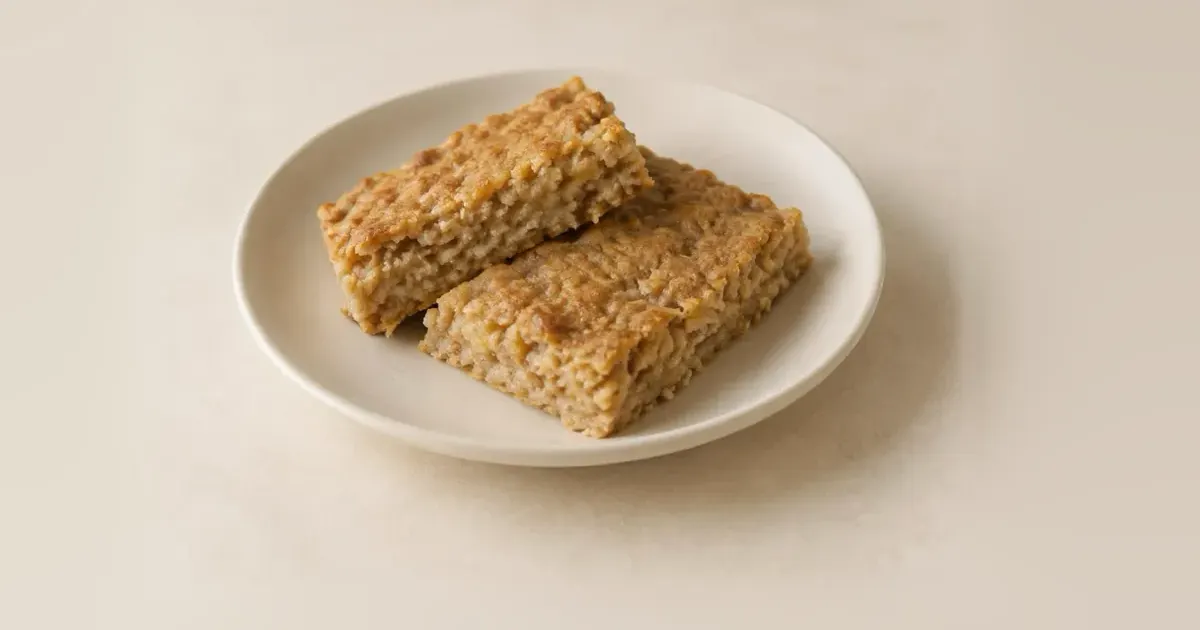
Snack time doesn't need a packet. The best sugar-free snacks for toddlers are simple whole foods: fresh fruit, soft vegetable sticks with a dip, plain yogurt, cheese, eggs and homemade bakes sweetened with fruit instead of sugar. In the US, the CDC and AAP say children under 2 shouldn't have added sugars; in the UK, the NHS advises avoiding food and drinks with sugar or sweeteners for children aged 4 and under. Here are 15 ideas that fit, plus how to spot hidden sugar and cut snacks safely.
Why skip added sugar?
- There's no room for it. The CDC, drawing on the Dietary Guidelines for Americans, says young children's foods need to be nutrient-dense, with no extra calories from added sugars.
- Teeth. The NHS notes that avoiding sugary snacks and drinks helps prevent tooth decay.
- Taste habits. The AAP explains that children who get used to sweet drinks early develop a strong preference for them, which makes plain water and milk a harder sell.
The NHS counts honey, syrups, fruit juice and smoothies as sugar too. Honey has an extra rule: never before 12 months, because of the risk of infant botulism. And "sugar-free" products made with sweeteners aren't the answer either: the NHS advises avoiding sweeteners for children aged 4 and under. More on this in salt and sugar for babies.
How many snacks does a toddler need?
From 12 months, the NHS suggests 3 meals a day and possibly 2 healthy snacks in between, such as fruit, vegetable sticks, toast, bread or plain yogurt. The AAP describes three meals and two snacks for 1-year-olds, and three meals plus one or two snacks for 2-year-olds. Babies under 12 months don't need snacks: if they seem hungry between meals, the NHS suggests an extra milk feed instead.
15 no-added-sugar snack ideas
Fruit, vegetables and dips
- Fresh fruit in safe shapes: banana, ripe pear or melon slices, quartered grapes and berries
- Soft-cooked vegetable sticks: carrot, zucchini or broccoli, steamed until soft
- Hummus with soft vegetable sticks or pita strips
- Cacık: a Turkish dip of plain yogurt with grated cucumber and a little mint (no salt), served with bread fingers
- Avocado toast fingers
Dairy and eggs 6. Plain full-fat yogurt with mashed berries or grated apple stirred in 7. Cheese grated or cut into short, narrow strips (choose lower-salt cheeses) 8. Hard-boiled egg, yolk and white cooked firm, cut into quarters 9. Toast fingers with a thin spread of peanut butter or tahini
Homemade bakes, sweetened with fruit 10. Soft apple oat bars (recipe below) 11. Banana oat cookies: mashed banana, oats and a pinch of cinnamon 12. Carrot and apple muffins 13. Sweet potato and cinnamon muffins 14. Mini pea pancakes with a little cheese 15. Baked cinnamon apple slices, cooked until soft
Quick recipe: soft apple oat bars
Makes about 12 small bars.
- 1½ cups (about 120 g) rolled oats
- 1 apple, peeled and finely grated
- 1 ripe banana, mashed
- 1 egg
- ½ cup (120 ml) milk
- 1 tbsp (15 g) butter, melted
- ½ tsp (2.5 ml) cinnamon
Heat the oven to 180°C (350°F), or 160°C (325°F) fan, and grease a small baking dish. Whisk the egg, milk and melted butter, then stir in the apple and banana. Add the oats and cinnamon and let the mix rest for 10 minutes. Spread it in the dish, bake for 22 to 25 minutes until set in the middle, then cool completely and cut into fingers. The bars should be cooked through but soft when pressed. The CDC lists cookies and granola bars among choking hazards for young children, so keep homemade bakes soft, never crunchy or hard.
Spotting hidden sugar
- Read the label. The CDC suggests using the Nutrition Facts label to find foods with no added sugars. On US labels, added sugars have their own line; elsewhere, check the ingredients list for sugar, syrups, honey or fruit juice concentrate.
- Watch the usual suspects. The CDC gives muffins, flavored yogurts and cookies as examples of foods that can contain added sugars. The NHS suggests avoiding store-bought cookies, rusks, melty snacks and other packaged foods, which can contain a lot of sugar.
- Dried fruit with meals. The NHS suggests giving raisins and other dried fruit with meals rather than as a snack, to protect teeth, and cutting them into small pieces.
- Juice isn't a snack. No juice under 12 months, and after that the CDC calls it unnecessary. Fruit drinks and juice drinks contain added sugars.
Cut snacks safely
- Quarter small round foods like grapes, cherry tomatoes and berries.
- Grate or cook hard fruit and vegetables such as apple and carrot.
- No whole nuts or popcorn for children under 5; spread nut butters thinly.
- Keep snacks for sitting down: the CDC advises against eating in the car or stroller, and the AAP says toddlers should eat seated and supervised.
The full list is in our guide to choking hazards for babies. If your toddler turns down snacks they used to love, that's normal too; see picky eater toddler for calm ways through it.
Snacks that feel like a treat
Soft apple oat bars, banana oat cookies and carrot and apple muffins are among Lokmi's step-by-step recipes, made with no added sugar and with serving notes for your child's age. When a snack needs to feel special, playful plates turn the same fruit and yogurt into a smiling face or a little rainbow.
This article is for general information. If you have concerns about your child's diet, teeth or growth, talk to your pediatrician.
Frequently asked questions
Can toddlers have sugar?
The CDC and AAP say children under 2 shouldn't have added sugars, and the NHS advises avoiding food and drinks with sugar or sweeteners for children aged 4 and under. The natural sugar in whole fruit is fine.
What are healthy snacks for a 1 year old?
Fruit, vegetable sticks, toast, bread and plain yogurt are the NHS's own examples, and the NHS says children from 12 months may need 2 healthy snacks a day. Cook firm vegetables until soft, cut everything into safe shapes and serve snacks with your child sitting down.
Is fruit juice a good snack for toddlers?
Not really. The CDC says children under 12 months shouldn't drink juice at all and that juice after 12 months is unnecessary; whole fruit is the better choice. Water and plain milk are the best drinks.
Sources
Related articles
Recipes
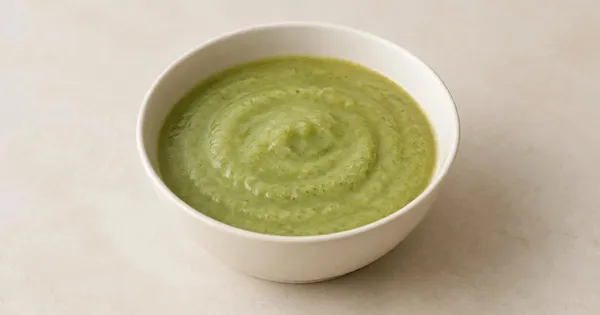
Baby Puree Recipes: 12 Easy First Purees from 6 Months
12 easy homemade baby puree recipes: pumpkin, carrot, broccoli, avocado, lentil and meat purees, plus storage and freezing tips.
3 min read
Recipes
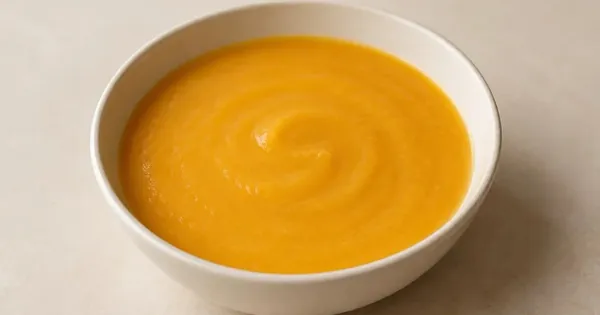
Baby Soup Recipes: 8 Nourishing, Salt-Free Soups for Babies
Baby soup recipes without salt: red lentil, pumpkin, chicken and vegetable, broccoli and zucchini yogurt soup, with the right texture by age and freezing tips.
4 min read
Recipes
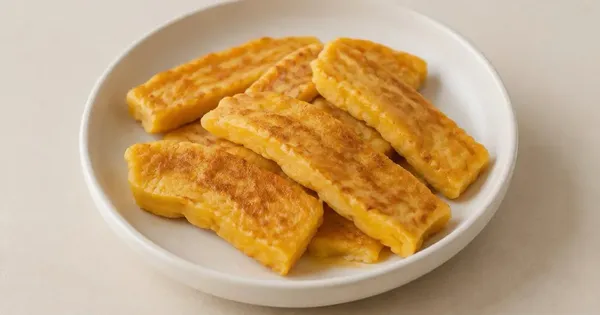
Baby Breakfast Ideas: 15 Easy Breakfasts from 6 Months to 2
Baby breakfast ideas from 6 months to 2 years: easy, nourishing options for each stage, a sugar-free pumpkin pancake recipe and tips to save time each morning.
4 min read