
When Can Babies Eat Fish? Best Fish, Mercury and How to Serve It
Lokmi Editorial Team · Last updated: · 4 min read
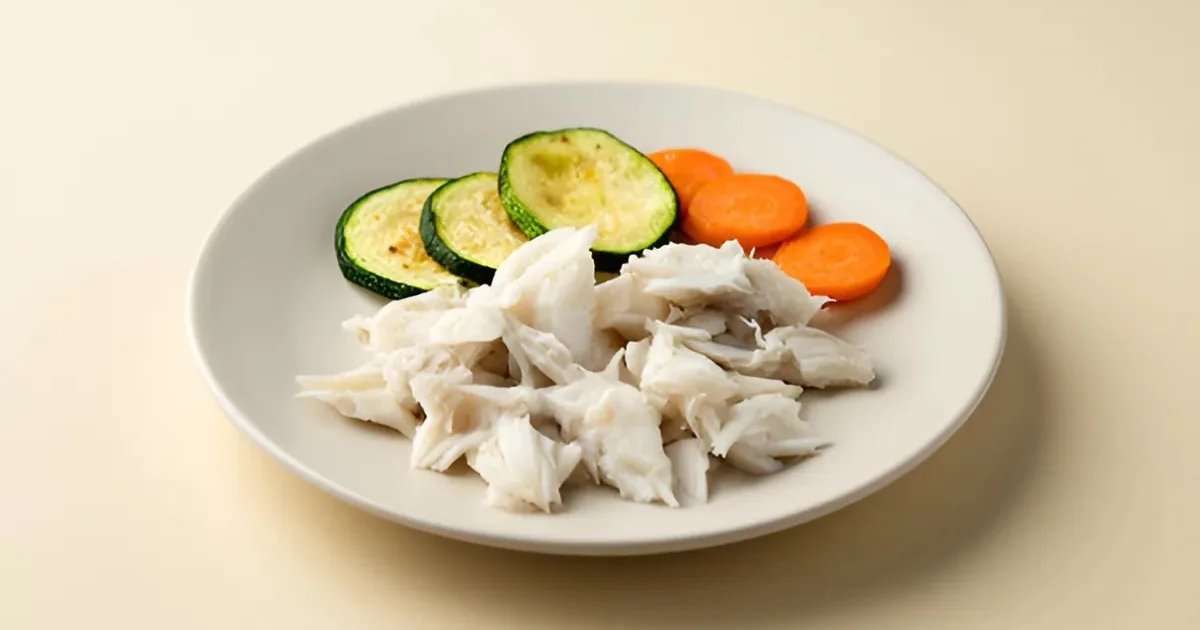
Fish is a wonderful food for a growing child. The FDA notes that it provides nutrients that support a child's brain development, including omega-3 fats (DHA and EPA), iron and choline, as well as protein, vitamin B12, vitamin D and selenium. So, when can babies eat fish? The NHS and AAP say fish can be introduced from around 6 months; in our recipes and meal plans, fish comes in from 7 months. Either way, the rules are the same: well cooked, boneless and low in mercury.
When to start fish
The NHS lists fish among the allergenic foods that can be introduced from around 6 months, one at a time and in small amounts, so you can spot any reaction. The AAP says there's no evidence that waiting beyond 4 to 6 months to introduce foods like fish prevents food allergy. Because fish is a common allergen:
- Offer a small amount the first time.
- Watch your baby for a couple of hours afterward.
- Wait a few days before adding another new allergen, so any reaction is easy to trace (the 3-day rule).
- If all goes well, make fish a regular part of the week.
If your baby has eczema or a diagnosed food allergy, or there's a family history of allergies, talk to your pediatrician before you start. More on this in introducing allergens to babies.
The best fish for babies
Choose fish that are lower in mercury. Everything in this table is on the FDA's "Best Choices" list:
| Fish | Why it works |
|---|---|
| Salmon, trout | Soft and easy to flake; salmon is an oily fish |
| Cod, haddock, pollock, hake | Mild white fish with a gentle taste |
| Sole, flounder, plaice | Thin, delicate fillets that mash easily |
| Sardines, anchovies | Small oily fish; check very carefully for bones |
| Canned light tuna | A handy pantry option |
Note that albacore (white) tuna sits in the FDA's "Good Choices" group, a step higher in mercury than canned light tuna. Around the Mediterranean, sea bass and sea bream are everyday family fish, popular for their mild, soft flesh and large bones that are easy to remove.
Fish to avoid
Some fish contain high levels of mercury, which can affect the development of a baby's nervous system.
- Shark, swordfish and marlin: the NHS says all babies and children under 16 should avoid them.
- King mackerel, orange roughy, bigeye tuna and tilefish from the Gulf of Mexico: on the FDA's "Choices to Avoid" list, alongside shark, swordfish and marlin.
Also skip:
- Raw or undercooked fish, such as sushi or raw marinated fish. Always cook fish through.
- Smoked and salted fish before 1 year: they're salty, and babies shouldn't eat salty foods.
- Raw shellfish: shellfish like shrimp and mussels are common allergens too. Serve them only thoroughly cooked, and introduce them one at a time.
How to prepare fish for babies
- Bake, steam or poach it. Gentle methods keep fish soft and moist.
- Cook it through until the flesh is opaque and separates easily with a fork. The FDA's safe cooking temperature for fish is 145°F (63°C).
- Remove every bone. Run your fingers slowly over the flesh to find small bones. The NHS reminds parents to remove bones from fish before serving, and the CDC lists bones in fish as a choking hazard.
- Match the texture to the age. At first, mash fish with potato or a vegetable puree. From around 8 months, offer small soft flakes or soft fish balls. See choking hazards for babies for more on safe shapes and textures.
How much? For babies, a few spoonfuls is plenty to begin with; let your baby's appetite guide you. For children from 1 year, the FDA suggests 2 servings a week from the Best Choices list, with a serving of about 1 oz (28 g) at ages 1 to 3. The NHS suggests at least 1 portion of oily fish a week for young children. Because oily fish can contain low levels of pollutants, it suggests no more than 2 portions a week for girls and 4 for boys.
Easy fish ideas for babies
- Baked sea bass with vegetables
- Salmon and mashed potato
- Homemade baked fish fingers
- Whiting or cod fish balls
- Salmon and pea risotto
- Vegetable and fish soup
- Anchovy patties (from 8 months, with the bones removed very carefully)
Each of these recipes is in Lokmi, with serving notes for your baby's age. The weekly plan keeps meals varied across the week, and if your child has a fish allergy, add it to their allergy records so that recipes with fish are left out of the suggestions.
This article is for general information. If there's a family history of fish allergy or your baby has eczema, talk to your pediatrician before introducing fish.
Frequently asked questions
Can babies eat fish at 6 months?
The NHS and AAP say fish can be introduced from around 6 months, cooked thoroughly and with all bones removed. Lokmi brings fish in from 7 months. Start with a small amount, as fish is a common allergen.
What fish is best for babies?
Fish lower in mercury, such as salmon, trout, cod, haddock, pollock, sole and sardines, all on the FDA's Best Choices list. Avoid shark, swordfish, marlin, king mackerel, orange roughy, bigeye tuna and tilefish from the Gulf of Mexico.
How often can toddlers eat fish?
For children from age 1, the FDA suggests 2 servings a week from its Best Choices list, with a serving of about 1 oz (28 g) at ages 1 to 3. The NHS suggests at least 1 portion of oily fish a week for young children, and no more than 2 a week for girls or 4 for boys.
Sources
Related articles
When can babies have...
Introducing Allergens to Babies: Peanut, Egg and More, Step by Step
When and how to introduce allergens to babies: current guidance on peanut, egg, dairy, sesame, fish and wheat, suitable forms to serve, and a step-by-step plan.
3 min read
When can babies have...
When Can Babies Have Eggs? Age, Yolk vs White and Allergy Signs
When can babies have eggs? From around 6 months, fully cooked. Whether to start with the yolk, how to introduce egg, allergy signs and easy egg ideas by age.
5 min read
When can babies have...
When Can Babies Have Honey? Why the 1-Year Rule Matters
When can babies have honey? Not before 12 months. Why honey can cause infant botulism, where it hides in foods, warning signs and sweet ideas without honey.
4 min read