
When Can Babies Have Eggs? Age, Yolk vs White and Allergy Signs
Lokmi Editorial Team · Last updated: · 5 min read
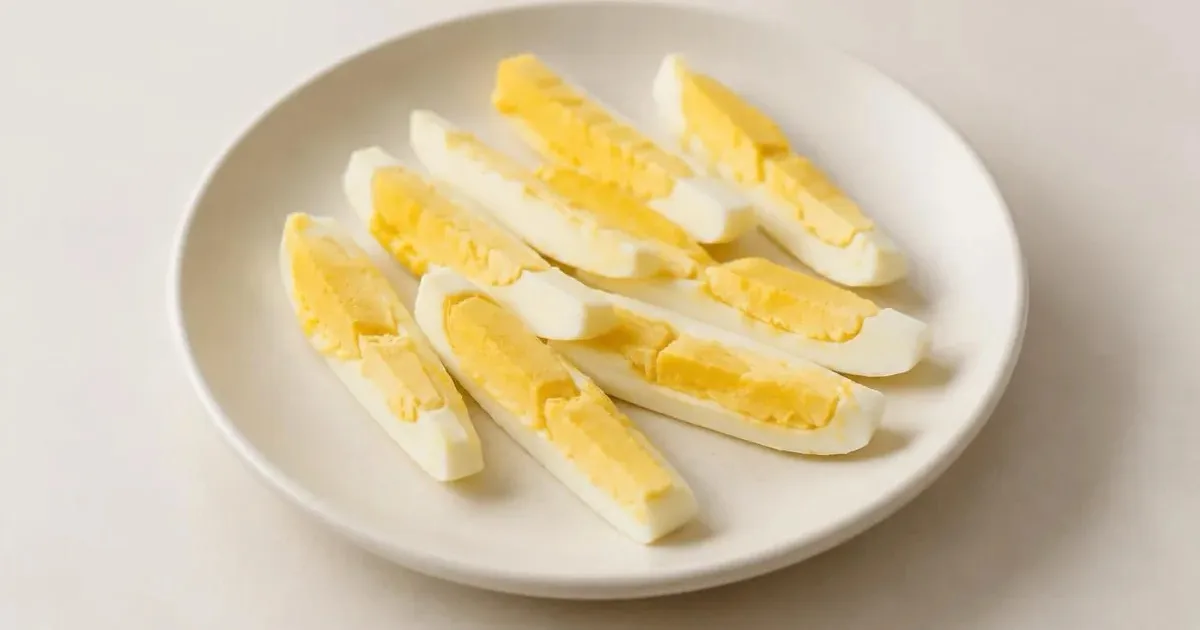
Eggs are cheap, quick and endlessly useful, and like meat, fish and beans they're a good source of protein and iron. They're also one of the foods most likely to cause an allergic reaction, which is why "when can babies have eggs?" is one of the most common starting-solids questions. The short answer: babies can have eggs from around 6 months, once they've started solids, as long as the egg is fully cooked (yolk and white both firm).
Why the advice changed
Not so long ago, parents were told to wait until the first birthday, or to offer only the yolk at first. Newer research turned that around. The AAP says there's no benefit to delaying allergenic foods like egg, and the NHS notes that delaying egg beyond 6 to 12 months may actually increase the risk of developing an egg allergy.
Today both recommend introducing egg from around 6 months, after your baby has managed a few first foods, and then keeping it in their normal diet.
Yolk or white first?
You don't need to separate them. Current NHS and AAP guidance talks about egg, not egg yolk, and the AAP's example of a regular baby portion is about a third of a well-cooked egg, such as scrambled or hard-boiled. A fully cooked whole egg is fine from the start.
How to introduce egg, step by step
- Cook it all the way through. Hard-boil it, or make scrambled egg or an omelet cooked until there's no runny part left.
- Start tiny. Offer a small amount, such as the tip of a teaspoon of mashed hard-boiled egg mixed into a food your baby already eats (a familiar puree, breast milk or formula).
- Pick a good moment. Try it in the daytime, on a day your baby is well, so you can watch them afterward.
- Watch for a reaction. Allergic reactions usually happen within a few minutes, but the NHS says symptoms can take up to 2 hours to appear.
- Build up gradually. If all is well, offer a little more over the next few days.
- Keep it on the menu. Once egg is tolerated, the NHS advises keeping it as part of your baby's usual diet to help minimize the risk of allergy.
Many families also wait a few days before adding another new food, so any reaction is easier to pin down. See the 3-day rule for baby food.
Signs of an egg allergy
The NHS lists these possible signs of a food allergy:
- A red, itchy rash
- Swollen lips or face
- Red, itchy, watery eyes
- Being sick, tummy pain or diarrhea
- Eczema getting worse
- Sneezing or a runny or blocked nose
If you notice a mild reaction, stop offering egg and talk to your pediatrician before trying again.
Emergency: Call 911 (US and Canada), 999 (UK) or 000 (Australia) right away if your baby has a swollen tongue or throat, wheezing or difficulty breathing, or turns pale, blotchy or floppy. This can be anaphylaxis, a medical emergency.
Talk to your pediatrician before you start if your baby has severe, persistent eczema or has already had an allergic reaction to a food. The AAP says these babies may need a tailored plan for introducing allergenic foods, and the NHS advises extra care if there's a family history of food allergies, eczema, asthma or hay fever. The good news: the NHS notes that lots of children outgrow an egg allergy.
Egg ideas by age
| Age | How to serve |
|---|---|
| 6-7 months | Mashed hard-boiled egg stirred into purees; thin, well-cooked omelet strips |
| 8-9 months | Hard-boiled egg slices; small cubes of vegetable omelet |
| 10-12 months | Menemen (Turkish scrambled eggs with tomato and pepper, cooked until fully set); egg with spinach; crustless mini quiches |
| 1 year+ | Egg dishes from the family breakfast table |
Omelet strips and egg slices make great early finger foods. For more ideas, see finger foods for babies.
Fully cooked, every time
Raw or undercooked egg can carry bacteria such as salmonella. In the US, the FDA advises cooking eggs until the yolk and white are firm. In the UK, the NHS says hens' eggs with the British Lion stamp can be served runny, but all other hens' eggs, and duck, goose or quail eggs, should be cooked until both the white and yolk are solid.
For one simple rule wherever you live, cook egg all the way through for babies. That also means skipping homemade mayonnaise, raw cake batter and desserts made with uncooked egg.
Make egg part of the week
Egg is one of the easiest foods to work into family meals. Lokmi has egg recipes like hard-boiled egg fingers, avocado and egg toast, eggs with Swiss chard, crustless mini quiches, menemen and eggs with ground meat, each with serving notes for your baby's age. Log each try in Food Journey and note how it went. If your pediatrician diagnoses an egg allergy, add it to your child's allergy records and recipes with egg are left out of the suggestions.
Introducing other allergens too? See introducing allergens to babies.
This article is for general information. If your baby has eczema or a history of allergies, talk to your pediatrician before introducing egg and other allergens.
Frequently asked questions
Can babies have eggs at 6 months?
Yes. The NHS and AAP say egg can be introduced from around 6 months, once your baby has started solids. Serve it fully cooked. There's no evidence that waiting until the first birthday prevents allergy.
Should babies have the egg yolk first?
That was older advice. Current NHS and AAP guidance simply talks about introducing egg, so a well-cooked whole egg, yolk and white together, is fine. Start with a small amount and keep offering it once it's tolerated.
Can babies eat runny or soft-boiled eggs?
Lokmi always serves egg fully cooked, with the yolk and white firm. The FDA advises cooking eggs until the yolk and white are firm; in the UK, the NHS allows runny eggs with the British Lion stamp but says other eggs should be cooked until solid.
Sources
Related articles
When can babies have...
Introducing Allergens to Babies: Peanut, Egg and More, Step by Step
When and how to introduce allergens to babies: current guidance on peanut, egg, dairy, sesame, fish and wheat, suitable forms to serve, and a step-by-step plan.
3 min read
When can babies have...
When Can Babies Have Honey? Why the 1-Year Rule Matters
When can babies have honey? Not before 12 months. Why honey can cause infant botulism, where it hides in foods, warning signs and sweet ideas without honey.
4 min read
When can babies have...
When Can Babies Have Cow's Milk? Age, Amounts and How to Switch
When can babies have cow's milk? As a main drink from 12 months. Why not sooner, how much toddlers need, yogurt and cheese, and what about plant-based milks.
5 min read