
When Can Babies Eat Meat? Beef, Chicken and First Meatballs
Lokmi Editorial Team · Last updated: · 4 min read
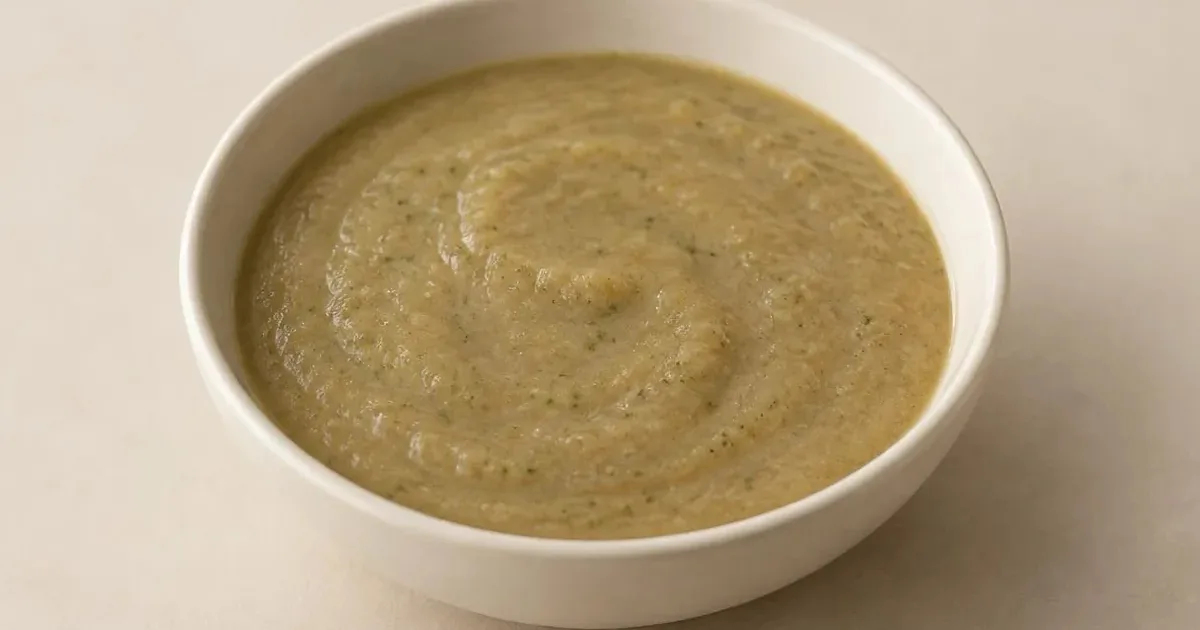
From around 6 months, one of the nutrients your baby needs most from food is iron, and meat is one of the best sources of it. We introduce meat, including beef, lamb and chicken, from 7 months; NHS and the AAP say it can be offered from around 6 months. Here's why it matters, how to prepare it as your baby grows, and an easy first meatball recipe.
Why meat matters
- Iron that's easy to absorb. Meat contains heme iron, which, according to the CDC, the body absorbs more easily than the non-heme iron in plant foods.
- Protein and zinc too. NHS notes that protein foods like meat also contain other useful nutrients, such as iron and zinc, which are important for babies.
- Iron needs matter from 6 months. The CDC says that once your child starts eating foods around 6 months, it's important to give foods with enough iron to meet their needs.
That's also why WHO recommends that children aged 6 to 23 months eat animal-source foods, such as meat, fish or eggs, every day.
When to start
From around 7 months in our recipes and plans. NHS lists meat, fish, eggs, beans and pulses as suitable from around 6 months, and the AAP suggests including foods that provide iron and zinc, such as baby food made with meat, when you start solids. Because of your baby's iron needs, it's best not to put meat off for too long.
How to prepare meat by age
| Age | How to serve |
|---|---|
| 7 months | Tender, slow-cooked meat blended or minced into a vegetable puree or soup; or ground meat cooked with vegetables and mashed |
| 8 months | Soft shredded meat; very soft mini meatballs you can mash with a fork |
| 9-11 months | Soft shredded pieces or soft strips your baby can hold; baked meatballs; vegetable dishes with ground meat |
| 12 months+ | Meat from family meals, in small soft pieces |
Doing baby-led weaning? Soft, finger-length meatballs or strips of tender, well-cooked boneless meat work well: NHS lists boneless meat such as chicken and lamb among finger foods. Avoid tough or large chunks, which the CDC lists as a choking hazard.
Easy baby meatballs (from 8 months)
Ingredients: 250 g (9 oz) lean ground beef, 1 small zucchini (grated and squeezed dry), 1 small carrot (grated), 2 tbsp fine bulgur (cracked wheat) or rolled oats, 1 egg (only if your baby has already had egg), a pinch of cumin
- Mix everything together well. Don't add salt.
- Shape into small, slightly long meatballs.
- Bake at 180°C (350°F) for 20-25 minutes, until cooked all the way through.
- Mash, crumble or serve as finger shapes, depending on your baby's age.
Cool before serving. Leftovers can be frozen once cooked, which makes a quick lunch on a busy day.
Chicken and turkey
Chicken and turkey are good protein sources, and the CDC lists poultry alongside red meat among iron-containing foods for babies. Remove the skin and bones before serving. Thigh meat tends to stay moister and softer than breast, which makes it easier for little ones to manage.
Safety notes
- Cook meat thoroughly, all the way through, and cool it to lukewarm before serving. A food thermometer is the most reliable way to check.
- Processed meats like salami, sausages, bacon and hot dogs aren't recommended for babies: they're salty, and hot dogs and sausages are also a choking hazard.
- Tough, stringy pieces can cause choking. Cook meat until tender, cut it to a suitable size and remove every bone.
For a full list of foods to watch out for, see choking hazards for babies.
If your baby won't eat meat
Some babies don't like the texture of meat at first. Meatballs, vegetable dishes with ground meat, or meat mixed into a puree they already enjoy often go down better. If meat still isn't happening, lean on other iron-rich foods: the CDC lists fish, eggs, beans and lentils, iron-fortified infant cereals, tofu and dark green leafy vegetables. Pairing plant sources of iron with foods high in vitamin C helps your baby absorb it. More ideas in iron-rich foods for babies.
Recipes ready to go
Lokmi has meat recipes ready with serving notes for your baby's stage: beef and vegetable puree, zucchini with minced beef, turkey and carrot meatballs, mini beef burgers with hidden carrot, and tas kebabı, a slow-cooked Turkish beef stew. Each one shows how to serve it at your baby's age, so the same dish can work for the whole family.
This article is for general information. For decisions about your baby's iron needs or any supplements, talk to your pediatrician.
Frequently asked questions
When can babies eat red meat?
We introduce red meat from 7 months; NHS and the AAP say meat can be offered from around 6 months. Because it's a good source of iron, it's best not to delay it for long.
Can I give my baby meat broth instead of meat?
Homemade, unsalted broth can add flavor, but it doesn't replace the meat itself, so offer the meat minced, mashed or shredded. Stock cubes and gravy aren't suitable for babies because they're often high in salt.
Can babies eat liver?
We don't have sourced guidance on liver yet, so talk to your pediatrician before offering it.
Sources
Related articles
When can babies have...
Introducing Allergens to Babies: Peanut, Egg and More, Step by Step
When and how to introduce allergens to babies: current guidance on peanut, egg, dairy, sesame, fish and wheat, suitable forms to serve, and a step-by-step plan.
3 min read
When can babies have...
When Can Babies Have Eggs? Age, Yolk vs White and Allergy Signs
When can babies have eggs? From around 6 months, fully cooked. Whether to start with the yolk, how to introduce egg, allergy signs and easy egg ideas by age.
5 min read
When can babies have...
When Can Babies Have Honey? Why the 1-Year Rule Matters
When can babies have honey? Not before 12 months. Why honey can cause infant botulism, where it hides in foods, warning signs and sweet ideas without honey.
4 min read