When Can Babies Drink Water? How Much and Which Cup to Use
Lokmi Editorial Team · Last updated: · 4 min read
"It's so hot out, should I give the baby some water?" It's one of the most common questions in the early months, and the answer can be surprising: babies under 6 months generally don't need water. From around 6 months, when solids start, you can offer small sips from a cup with meals. Here's how much, which cup to use and which drinks to leave out.
Under 6 months: milk is enough
Breast milk or formula gives young babies all the fluid they need. The AAP says healthy babies don't need extra water, and the NHS says fully breastfed babies don't need any water until they've started solid foods, even in hot weather. On hot days they may simply want to breastfeed more than usual. A young baby's tummy is tiny and fills up quickly, so milk feeds come first.
The one exception: the NHS says formula-fed babies under 6 months may need small sips of cooled boiled water in hot weather, as well as their usual milk feeds. For babies this young, always boil the water first and let it cool right down.
From 6 months: sips with meals
Once your baby starts solids, you can start offering water:
- Give a few sips with meals.
- Use an open cup or a free-flow cup without a valve. The NHS says this helps babies learn to sip rather than suck and is better for their teeth. The AAP also mentions straw cups.
- Expect spills, splashes and a lot of tipping. It's all practice, and your baby will gradually get the hang of it.
At this age, the AAP suggests keeping water to no more than about 1 cup (8 oz, 240 ml) a day, and notes that a small amount of water may be needed in very hot weather. If your tap water is fluoridated, drinking it also helps protect your child's teeth. In the UK, the NHS says tap water for babies over 6 months doesn't need to be boiled first.
| Age | Water per day, alongside milk (AAP) |
|---|---|
| 0-6 months | Not needed |
| 6-12 months | 4-8 oz (120-240 ml), ½-1 cup |
| 12-24 months | 8-32 oz (240-960 ml), 1-4 cups |
| 2-5 years | 8-40 oz (240 ml-1.2 l), 1-5 cups |
These are ranges, not targets. By their first birthday, many toddlers are using a cup with confidence, so keep water within easy reach and let them help themselves to sips.
Drinks to skip
- Fruit juice: the AAP and CDC say babies under 12 months shouldn't drink juice. The NHS says babies under 12 months don't need it, and if you do offer it, to dilute it (1 part juice to 10 parts water) and serve it only at mealtimes. Whole fruit is always the better choice.
- Sugary and fizzy drinks, including squash, sweetened water and "fruit drinks": they can cause tooth decay and fill your child up so they're not hungry for healthier food (NHS).
- Tea, coffee and other caffeinated drinks: not suitable for babies or young children (NHS, AAP).
- "Baby" and herbal drinks: the NHS says these usually contain sugars and aren't recommended.
- Salty yogurt drinks like Turkish ayran (yogurt whisked with water and salt): babies shouldn't have salty foods. After 1 year, a homemade version without salt is fine in small amounts.
When to get medical help
When babies are unwell, especially with vomiting or diarrhea, watch their feeding and diapers closely. The NHS lists these among the signs of serious illness in babies and young children:
- A baby who is not feeding
- No drink in the past 8 hours while awake
- Vomiting that keeps going for 24 hours
- No wet diapers, or no pee, for at least 12 hours
If you notice any of these, contact your pediatrician or GP straight away. Call 911 (US and Canada), 999 (UK) or 000 (Australia) if your baby hasn't peed in the past 12 hours, has blue, gray, pale or blotchy skin, lips or tongue, is struggling to breathe, or is very hard to wake.
Watery foods count too
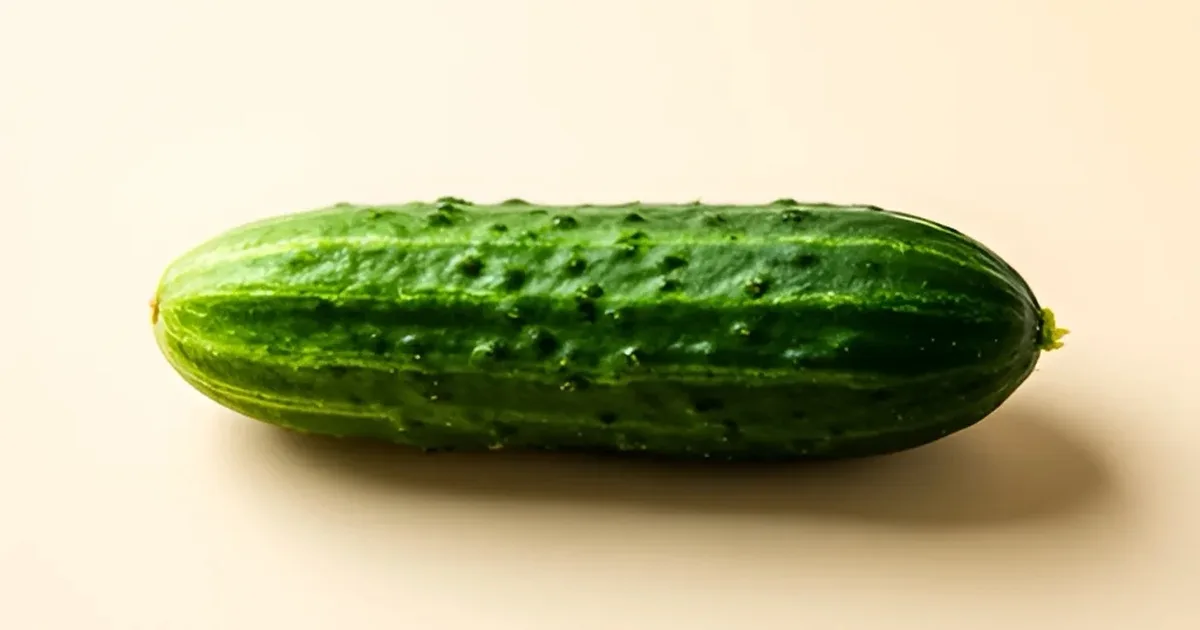
Soups, yogurt, cucumber, watermelon and melon all bring extra fluid to the plate, and they're easy wins on a hot day. A bowl of soup at lunch and some cucumber sticks with yogurt at snack time help without any extra effort.
Lokmi's weekly plan keeps meals varied across the week, and you can pick soups and yogurt dishes for any slot you like. Every recipe comes with serving notes for your baby's age, so the same pot can feed the whole family.
Next step: when can babies have cow's milk. Just starting out? See the 6 month old feeding schedule.
This article is for general information. If your baby seems unwell, isn't feeding, or vomiting or diarrhea doesn't settle, talk to your pediatrician or GP.
Frequently asked questions
Can newborns drink water?
Generally no. Fully breastfed babies don't need water until they start solids, even in hot weather. The NHS says formula-fed babies under 6 months may need small sips of cooled boiled water in hot weather, alongside their usual feeds.
How much water should a 6 month old drink?
Just a few sips with meals at first. The AAP suggests about 4-8 oz (120-240 ml), or ½-1 cup, a day for babies aged 6 to 12 months. Breast milk or formula still provides most of their fluids.
Does water for babies need to be boiled?
For babies under 6 months, the NHS says to boil water first and let it cool right down. It says tap water for babies over 6 months doesn't need to be boiled. If you're not sure your water is safe to drink, ask your pediatrician or local water supplier.
Sources
Related articles
When can babies have...
Introducing Allergens to Babies: Peanut, Egg and More, Step by Step
When and how to introduce allergens to babies: current guidance on peanut, egg, dairy, sesame, fish and wheat, suitable forms to serve, and a step-by-step plan.
3 min read
When can babies have...
When Can Babies Have Eggs? Age, Yolk vs White and Allergy Signs
When can babies have eggs? From around 6 months, fully cooked. Whether to start with the yolk, how to introduce egg, allergy signs and easy egg ideas by age.
5 min read
When can babies have...
When Can Babies Have Honey? Why the 1-Year Rule Matters
When can babies have honey? Not before 12 months. Why honey can cause infant botulism, where it hides in foods, warning signs and sweet ideas without honey.
4 min read