
How to Freeze Baby Food: Storing, Thawing and Reheating Safely
Lokmi Editorial Team · Last updated: · 5 min read
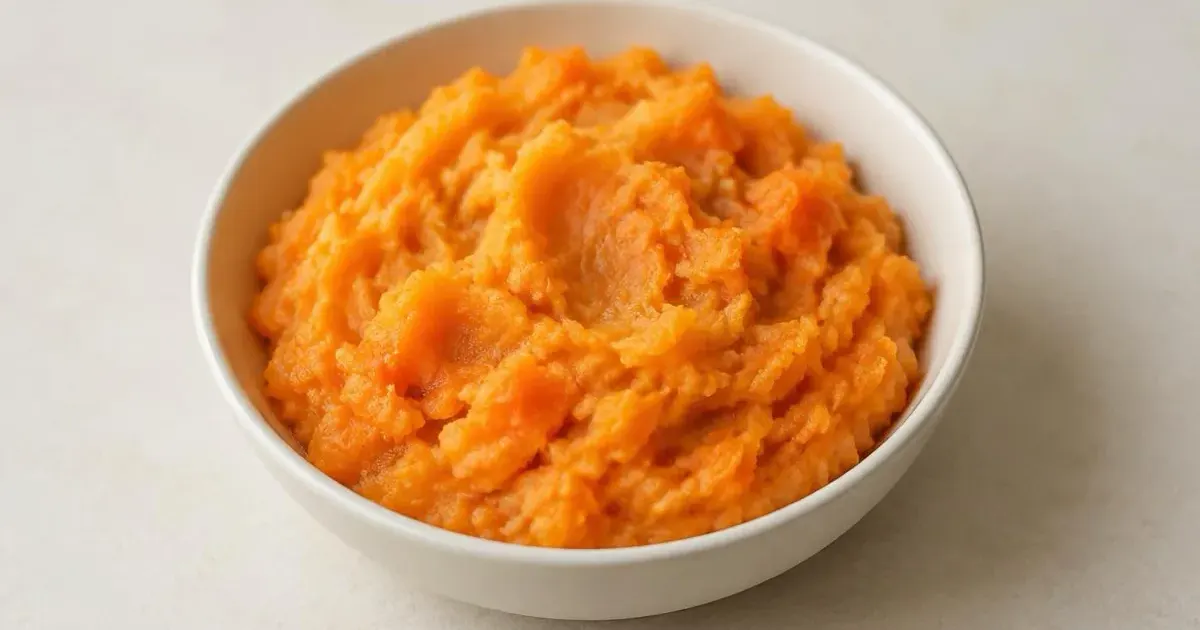
A freezer full of little portions can save you on busy days. The short answer: cook without salt or sugar, cool the food quickly (ideally within 1 to 2 hours), freeze it in small portions such as ice cube trays, defrost it in the fridge or microwave, and reheat it only once until it's steaming hot, then let it cool before serving. Babies and young children are more vulnerable than adults to the bacteria that cause food poisoning, so each of these steps matters. Here's how to do them well.
Step by step: freezing homemade baby food
- Cook as usual, without added salt or sugar. Babies don't need either in their food or cooking water. Season the grown-ups' share afterwards.
- Cool it quickly. The NHS advises cooling cooked food ideally within 1 to 2 hours, then putting it in the fridge or freezer. Don't put warm or hot food straight into the fridge. To speed things up, divide it into smaller portions or shallow containers, or sit a closed container in a sink of cold or iced water and stir now and then so it cools all the way through.
- Portion it small. Ice cube trays and small lidded containers are ideal. Spoon the puree in, cover the tray, and once the cubes are frozen solid, pop them into a freezer bag. Fill one cube with water from a measuring spoon once, so you know how much each cube holds, for example 1 tbsp (15 ml) or 2 tbsp (30 ml).
- Label and date everything. Write what it is and the day you made it. Six bags of orange puree look exactly alike after a week.
- Check your appliance temperatures. The FDA recommends keeping the fridge at or below 40°F (4°C) and the freezer at 0°F (-18°C). An inexpensive appliance thermometer is the easiest way to know.
How long does baby food keep?
| Where | Guidance |
|---|---|
| Fridge, cooked food | Eat within 2 days (NHS) |
| Fridge, cooked rice | Cool within 1 hour, eat within 24 hours, never reheat more than once (NHS) |
| Freezer at 0°F (-18°C) | Stays safe, but quality slowly declines (FDA) |
| After defrosting | Eat within 24 hours, or straight away if defrosted in the microwave (NHS) |
Freezing doesn't kill most bacteria, but it stops them from growing. That's why the FDA says properly frozen food remains safe, even though tenderness, flavor, aroma and color can suffer the longer it sits in the freezer. Grayish-brown dry patches (freezer burn) are a quality problem, not a safety one, and tight, airtight packaging helps prevent them. The FDA also notes that freezing doesn't reduce nutrients. In practice: date your batches and use the oldest first.
What freezes well (and what's better fresh)
Good candidates for the freezer:
- Smooth or mashed vegetables: sweet potato, carrot, pumpkin, broccoli, peas
- Cooked fruit purees: apple, pear, plum
- Lentil, vegetable and chicken soups, blended or mashed thick for babies
- Stews and minced meat dishes, mashed or finely chopped
- Soft meatballs, patties, pancakes and fruit-sweetened muffins
Better made fresh:
- Avocado and banana: they brown quickly, so mash them just before serving
- Cucumber and other watery raw vegetables: they turn limp and soggy when thawed
- Yogurt dips and sauces: the texture can split, so stir yogurt in after reheating
A handy trick from around 7 months: thaw one cube of a protein (lentils, chicken or fish) with one or two vegetable cubes and add a spoonful of a grain like bulgur or pasta, and you have a varied little meal in minutes. For more ideas to batch cook, see our baby puree recipes and baby soup recipes.
Defrosting safely
- Defrost thoroughly before reheating. The safest ways are in the fridge (overnight works well) or with the microwave's defrost setting.
- Never defrost at room temperature, for example on the counter.
- Use defrosted food within 24 hours, or straight away if you defrosted it in the microwave.
Reheating: once, and steaming hot
- Heat the food until it's steaming hot all the way through. The FDA advises bringing soups and sauces to a boil when reheating.
- If you use a microwave, stir well to get rid of hot spots.
- Let it cool, then check the temperature yourself before feeding your baby.
- Reheat cooked food only once. If a portion has been reheated, throw away any leftovers.
- Only take out what your baby is likely to eat. You can always offer more. Throw away any half-eaten portion instead of saving it, storing it or reheating it again.
Heading out for the day? Frozen cubes need the same care outside the house. See baby food on the go for packing tips.
Plan the batch, not just the freezer
Batch cooking works best when you know what the week looks like. Lokmi's weekly plan lays out your child's meals for the week, reuses ingredients across meals and builds the shopping list for you, so you know what's coming up before you start a big batch. Each of Lokmi's step-by-step recipes includes serving notes for your child's age, so the same batch can be a smooth puree for a 7-month-old and a coarse mash for a toddler.
This article is for general information. If your child seems unwell after eating, or you have concerns about their health, talk to your pediatrician.
Frequently asked questions
How long does homemade baby food last in the fridge?
The NHS says to eat cooled, refrigerated food within 2 days. Cooked rice is stricter: cool it within 1 hour and eat it within 24 hours.
How long can you freeze baby food?
The FDA explains that food kept at 0°F (-18°C) stays safe because freezing stops bacteria from growing, but flavor, texture and color slowly decline. Label every batch with the date and use the oldest first.
How do you thaw frozen baby food?
Defrost it in the fridge or with the microwave's defrost setting, never at room temperature. Use it within 24 hours (straight away if you used the microwave), reheat it until steaming hot and let it cool before serving.
Sources
Related articles
Health and nutrition
Choking Hazards for Babies: Foods to Avoid and How to Cut Them Safely
Which foods are choking hazards for babies and toddlers? A printable list of high-risk foods, how to cut them safely, and foods to avoid before 12 months.
3 min read
Health and nutrition
Iron-Rich Foods for Babies: 14 Foods and How to Boost Absorption
Why babies need iron after 6 months, signs of iron deficiency, 14 iron-rich foods for babies and the foods that help or block iron absorption.
2 min read
Health and nutrition
Foods for Baby Constipation: What Helps When Starting Solids
Foods for baby constipation: why it's common when starting solids, fiber-rich foods that help, foods to balance, a sample day and when to call the doctor.
5 min read