
Baby Food on the Go: Safe Packing Tips and Easy Travel Foods
Lokmi Editorial Team · Last updated: · 5 min read
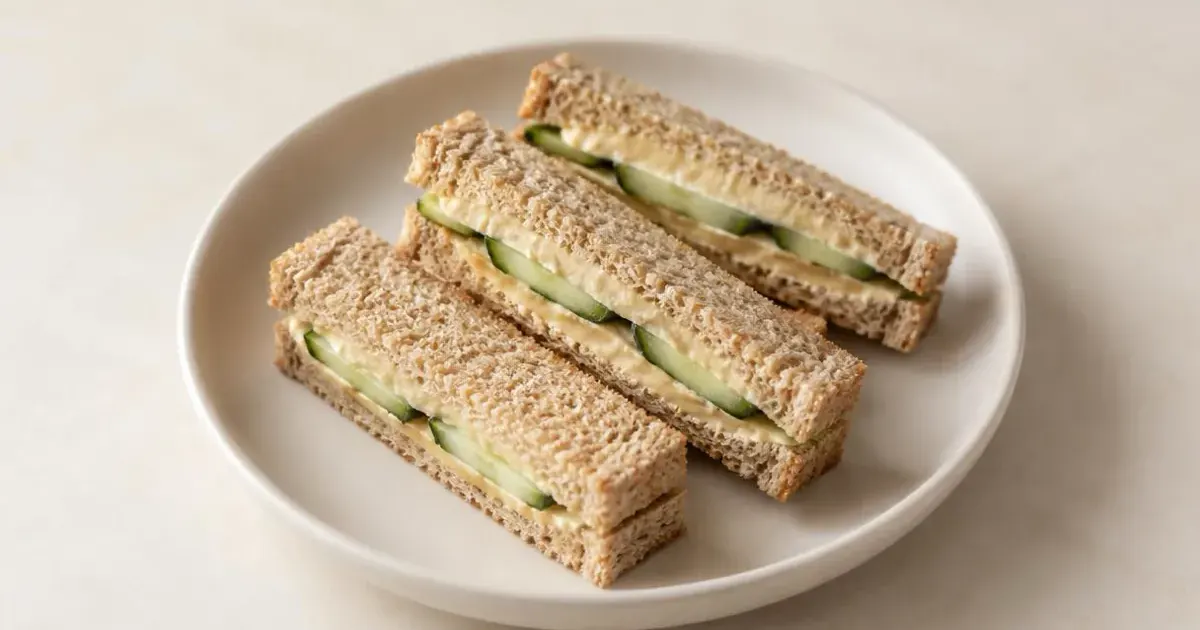
Days out, long drives and visits to grandma all come with the same question: what do I pack, and will it still be safe by lunchtime? Keep food cold in an insulated cool bag with ice packs or frozen water bottles, serve it within a few hours, and throw away whatever's left. If food isn't kept cold, the NHS says to eat it as soon as possible and within 4 hours at most; the FDA's rule for perishable food is shorter, at 2 hours, or 1 hour on days above 90°F (32°C). Here's how to pack, what to bring for each age, and how to keep mealtimes safe away from home.
Pack it cold
- Use a cool bag. The NHS suggests an insulated cool bag with frozen bottles of water or ice blocks to keep food like sandwiches and yogurts cold until you're ready to eat.
- Pack straight from the fridge. Food that starts cold stays cold longer.
- Defrost the night before. Frozen portions should be thawed in the fridge or with the microwave's defrost setting, never at room temperature, so move them to the fridge the evening before your trip. (More in how to freeze baby food.)
- Use small, clean, lidded containers. Pack roughly one portion per pot; you can always offer more.
- Plan for clean hands. Wash your hands before preparing food and make sure your child's hands are clean before eating.
The time rules at a glance
| Situation | Guidance |
|---|---|
| In a cool bag with ice packs | Keep it cold until you're ready to eat (NHS) |
| Not kept cold | Eat as soon as possible, within 4 hours at most (NHS) |
| Perishable food after cooking | Refrigerate within 2 hours, or 1 hour above 90°F (32°C) (FDA) |
| Leftovers after a meal out | Throw them away (NHS) |
The UK and US rules aren't identical, so on hot days, in a warm car or when in doubt, use the shorter time. Any food your child has started eating gets thrown away rather than going back in the bag.
What to pack by age
Around 6 to 12 months
- Your baby's usual breast milk or formula
- A mashed or chopped meal in a small lidded pot, kept cold
- Finger foods that travel well: banana, soft-cooked vegetable sticks, toast fingers, strips of well-cooked omelet
- A spoon, a bib and an open or free-flow cup for sips of water with meals
Babies under 12 months don't need snacks: if they seem hungry between meals, the NHS suggests an extra milk feed instead. See finger foods for babies for more ideas that are easy to pack.
From 12 months
- A packed lunch that tastes good cold: sandwich fingers, pasta salad, soft cooked vegetables, cheese strips
- Up to 2 healthy snacks, such as fruit, vegetable sticks, toast, bread or plain yogurt, as the NHS suggests
- Water in an open or free-flow cup
For specific meals, try our toddler lunch ideas and sugar-free snacks for toddlers.
Pouches and jars
Store-bought pouches and jars are handy for travel, and fine to use now and then. The NHS advises not to rely on them as everyday food, to check labels and choose the option with the least sugar, and to squeeze pouches onto a spoon instead of letting your child suck from the spout, which can increase the risk of tooth decay.
Warm meals away from home
The easiest option is food that's good cold. If you do want to warm a meal (in a café microwave, for example):
- heat it until it's steaming hot all the way through
- stir well to get rid of hot spots
- let it cool, then check the temperature yourself before feeding
- reheat only once, and throw away what's left
Cooked rice needs extra care: the NHS advises cooling it within 1 hour, keeping it in the fridge or freezer, eating it within 24 hours and never reheating it more than once. If rice is coming along, keep it in the cool bag.
Eat sitting down, even on the move
Snacking in the stroller or car seat is tempting on a long day, but choking-prevention advice says no. The CDC advises against letting children eat in the car or stroller, and says they should sit up to eat, in a high chair or another safe place, never lying down, crawling or walking. The AAP warns that "eating on the run" increases the risk of choking and that young children should eat seated and supervised by an adult.
Build food stops into your day instead: a café high chair, a bench or a picnic blanket where your child can sit upright with you right beside them. Cut food just as you would at home, quartering grapes and cherry tomatoes and offering firm vegetables cooked soft or grated.
Quick packing checklist
- Cool bag and ice packs or frozen water bottles
- Small lidded pots, spoon and bib
- Cup and water
- Breast milk or formula, as usual
- A bag for leftovers and trash
Plan ahead, pack faster
Days out are easier when you know what's on the menu. Lokmi's weekly plan shows the week's meals at a glance, so you can cook a little extra the night before and pack it, and each step-by-step recipe includes serving notes for your child's age, from how small to cut a sandwich to how soft to cook the vegetables. Back home, a quick Food Journey entry records what your child tried while you were out.
This article is for general information. If your child seems unwell after eating, or you're worried about their health, talk to your pediatrician.
Frequently asked questions
How long can baby food stay out of the fridge?
The NHS says food that isn't kept cold should be eaten as soon as possible, within 4 hours at most. The FDA's rule for perishable food is stricter: refrigerate it within 2 hours of cooking, or within 1 hour when it's above 90°F (32°C). On warm days, go by the shorter time.
How do I keep baby food cold when we're out?
Pack it straight from the fridge into an insulated cool bag with ice packs or frozen bottles of water, as the NHS suggests. Throw away any leftovers instead of saving them for later.
Can I reheat baby food when I'm out?
Yes, if you can heat it until it's steaming hot all the way through. Stir it well, let it cool and check the temperature before feeding. Cooked food should only be reheated once.
Sources
Related articles
Health and nutrition
Choking Hazards for Babies: Foods to Avoid and How to Cut Them Safely
Which foods are choking hazards for babies and toddlers? A printable list of high-risk foods, how to cut them safely, and foods to avoid before 12 months.
3 min read
Health and nutrition
Iron-Rich Foods for Babies: 14 Foods and How to Boost Absorption
Why babies need iron after 6 months, signs of iron deficiency, 14 iron-rich foods for babies and the foods that help or block iron absorption.
2 min read
Health and nutrition
Foods for Baby Constipation: What Helps When Starting Solids
Foods for baby constipation: why it's common when starting solids, fiber-rich foods that help, foods to balance, a sample day and when to call the doctor.
5 min read