
Tahini for Babies: When and How to Introduce Sesame Safely
Lokmi Editorial Team · Last updated: · 5 min read
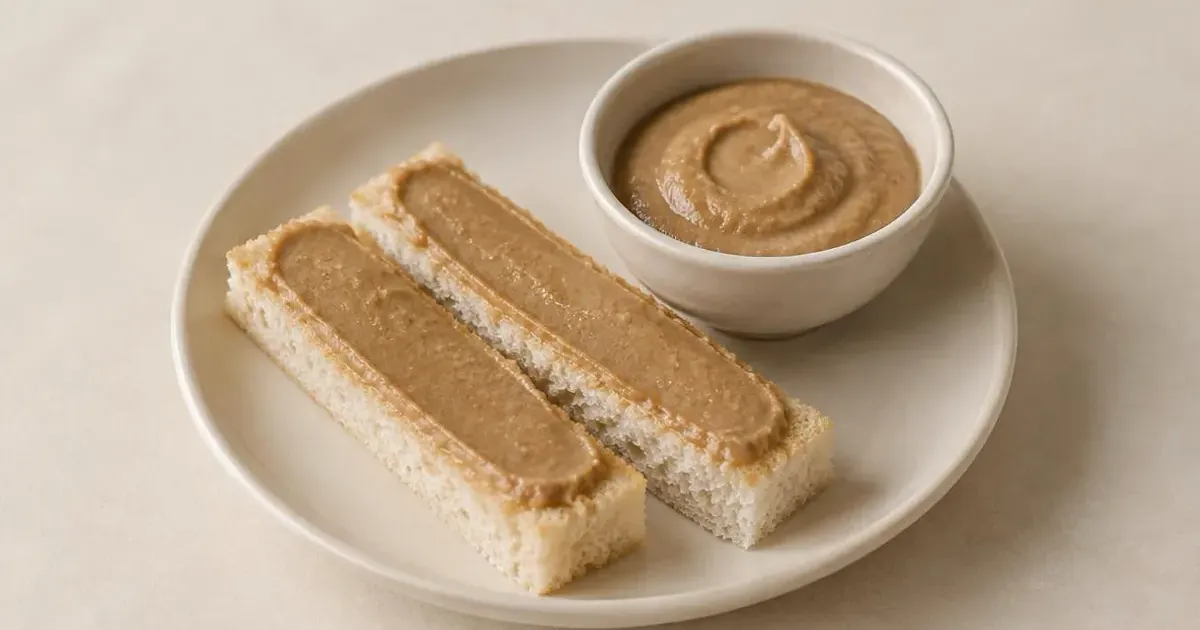
Tahini is simply sesame seeds ground into a smooth paste. It's the base of hummus and a staple in Turkish and Middle Eastern kitchens. Babies can have tahini from around 6 months, once they've started solids. Because sesame is a common allergen, start with a very small amount thinned and stirred into a food your baby already eats, never by the spoonful, and if there's no reaction, keep it in their diet regularly. If your baby has severe eczema or a known food allergy, talk to your pediatrician first.
Why introduce sesame early?
For years, parents were told to hold back allergenic foods. The advice has changed:
- The AAP says newer research found no benefit to delaying allergenic foods, and that once your baby is ready for solids it can help to begin offering small amounts. It names sesame among the more highly allergenic foods to introduce after a few first foods have gone well.
- The NHS lists sesame seeds among the foods that can trigger allergic reactions and says these foods can be introduced from around 6 months, one at a time. Once introduced and tolerated, they should become part of your baby's usual diet to minimize the risk of allergy.
- In the US, the FDA recognizes sesame as the ninth major food allergen, so it must be declared on food labels.
Talk to your doctor first if your baby has...
- Severe or persistent eczema
- Had an immediate allergic reaction to any food, or a diagnosed food allergy
- A family history of food allergies, eczema, asthma or hay fever
The AAP advises talking to your pediatrician first about severe eczema or a past immediate reaction, to decide how and when to introduce allergenic foods. The NHS also asks parents with a family history of allergies to check with their doctor first. More on this in our guide to introducing allergens to babies.
How to introduce tahini, step by step
- Choose a good moment. Pick a time when you can watch your baby for a couple of hours afterwards.
- Thin it out. Stir plain tahini with a little warm water, breast milk or formula until it's smooth and runny.
- Mix a very small amount into a familiar food. Plain yogurt, mashed banana, oat porridge or a vegetable puree your baby has already had without problems all work well. The AAP suggests the same approach for peanut butter: thinned and mixed into cereal, fruit puree or yogurt.
- Watch for a reaction. According to the NHS, allergic reactions usually happen within a few minutes, but symptoms can take up to 2 hours to appear.
- Increase gradually. If there are no signs of a reaction, the amount can be slowly increased.
- Keep it going. Offer sesame regularly as part of normal meals. The AAP's examples of baby-sized portions to keep in the diet include about 2 teaspoons (10 ml) of peanut butter, other nut butters or sesame tahini.
Introduce one new allergen at a time, so that if there is a reaction you know what caused it.
Never by the spoonful
- No spoonfuls or thick blobs. The CDC lists spoonfuls or chunks of nut and seed butters among choking hazards, and the AAP advises spreading nut butters thinly instead. Tahini behaves the same way: thick and sticky.
- Grind whole seeds. The NHS advises serving seeds crushed or finely ground. The CDC lists whole or chopped seeds, and breads or crackers with seeds, among foods to avoid for young children.
- Check the jar. Choose plain tahini made only from sesame, without added salt or sugar.
For the full list of risky foods, see choking hazards for babies.
Signs of an allergic reaction
The NHS lists signs such as:
- a red, itchy rash or swollen lips or face
- red, itchy, watery eyes
- coughing or wheezing
- vomiting, stomach pain or diarrhea
- eczema getting worse
If you see a mild reaction, stop offering tahini and talk to your pediatrician. A mild reaction doesn't always mean the allergy is mild, as the FDA points out. Breathing difficulty, wheezing, or swelling of the throat or tongue is an emergency: call 911 (US and Canada), 999 (UK) or 000 (Australia) right away.
Easy ways to serve tahini
From around 6 months:
- Stirred into plain, full-fat yogurt
- Tahini and banana porridge (oats cooked in milk, a little thinned tahini, mashed banana); find more in our baby oatmeal recipes
- Swirled into a vegetable puree
- Spread very thinly on toast fingers with mashed banana
From around 7 months:
- Hummus made with tahini (we introduce chickpeas from 7 months; the NHS lists pulses among foods suitable from around 6 months)
- Baked falafel with tahini, soft enough to squash
From 12 months:
- Tahini and fig spread, spread thinly on toast fingers (it also contains ground walnut, so introduce walnut on its own first)
- Tahini yogurt dip with soft cooked vegetable sticks
- Date and tahini muffins
In Turkey, tahini is often mixed with grape molasses (pekmez) for breakfast. For babies and toddlers, skip the molasses: the NHS advises avoiding foods with sugar, including syrups, for children aged 4 and under. Mashed banana or soft fig gives sweetness instead.
Keep sesame on the menu
Tahini and banana porridge, classic hummus with tahini and the tahini and fig spread are all step-by-step recipes in Lokmi, with serving notes for your child's age. In Food Journey you can log when your baby first tried sesame and how it went, and if a doctor diagnoses an allergy, you can add it to your child's allergy records.
This article is for general information and isn't medical advice. If your baby has eczema or a known food allergy, talk to your pediatrician or an allergist before introducing allergens.
Frequently asked questions
When can babies have tahini?
From around 6 months, once your baby has started solids. Stir a very small amount into a food they already eat and, if all goes well, keep offering it regularly. If your baby has severe eczema or a known food allergy, talk to your pediatrician first.
Is sesame a common allergen?
Yes. The NHS lists sesame seeds among the foods that can trigger allergic reactions, and in the US sesame has had to be listed on food labels as the ninth major allergen since January 2023. Some products on sale may still not show it.
Can babies choke on tahini?
Thick, sticky seed butters can be a choking hazard. Never give tahini by the spoonful: thin it and mix it into food, or spread it very thinly on toast. Whole sesame seeds should be ground or crushed first.
Sources
Related articles
When can babies have...
Introducing Allergens to Babies: Peanut, Egg and More, Step by Step
When and how to introduce allergens to babies: current guidance on peanut, egg, dairy, sesame, fish and wheat, suitable forms to serve, and a step-by-step plan.
3 min read
When can babies have...
When Can Babies Have Eggs? Age, Yolk vs White and Allergy Signs
When can babies have eggs? From around 6 months, fully cooked. Whether to start with the yolk, how to introduce egg, allergy signs and easy egg ideas by age.
5 min read
When can babies have...
When Can Babies Have Honey? Why the 1-Year Rule Matters
When can babies have honey? Not before 12 months. Why honey can cause infant botulism, where it hides in foods, warning signs and sweet ideas without honey.
4 min read