
Toddler Lunch Ideas: 15 Easy, Healthy Meals for 1 to 3 Year Olds
Lokmi Editorial Team · Last updated: · 5 min read
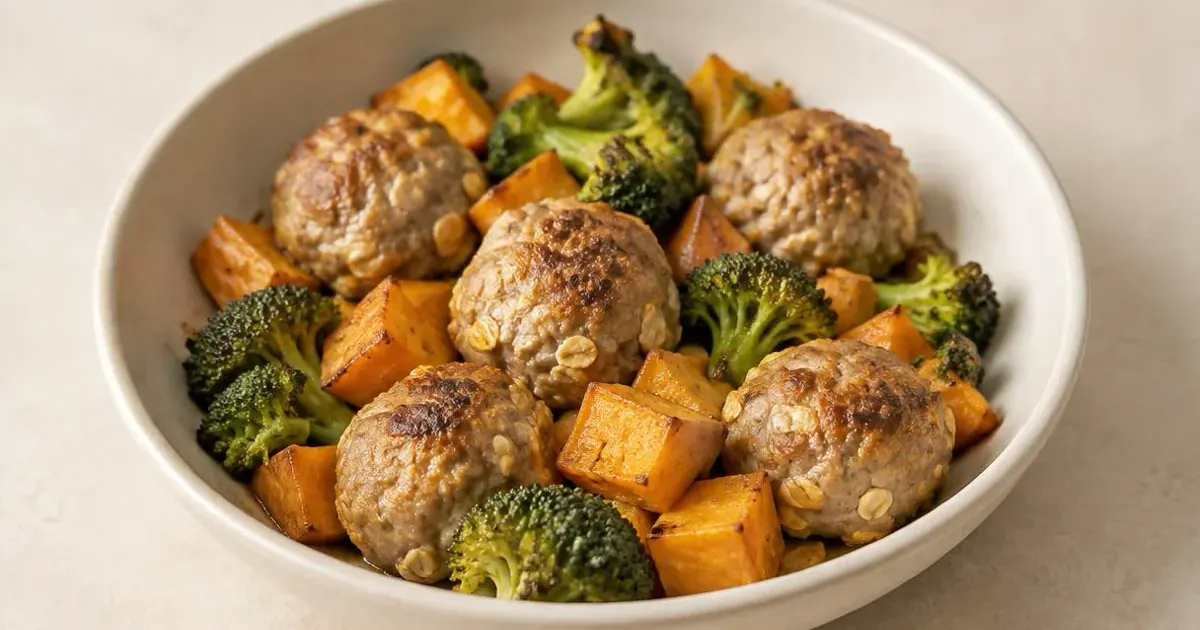
Lunch is often the meal that needs the most ideas, especially when there's a nap to fit around it. A good toddler lunch is a smaller, softer version of a family meal: a protein food, a starchy food, some vegetables or fruit and often a little dairy, cut into safe pieces and made without added salt. Here's a simple plate formula, 15 lunch ideas for 1 to 3 year olds, and tips for picky days and packed lunches.
The toddler lunch formula
The NHS and AAP describe the same basic food groups for toddlers that the rest of the family needs. Build lunch from them:
| Part of the plate | Easy examples |
|---|---|
| Protein | Chicken, turkey meatballs, fish, well-cooked egg, lentils, chickpeas, hummus |
| Starchy food | Bread, pasta, rice, bulgur, couscous, potato |
| Vegetables or fruit | Soft cooked vegetables, peeled cucumber, ripe fruit |
| Dairy | Plain yogurt, cheese |
A few pointers from the NHS: try to include fruit or vegetables at every meal; offer some wholegrain foods, but not only wholegrain foods for under-2s, because the extra fiber can fill them up before they get the energy they need; and stick with full-fat dairy until age 2. The AAP adds that fats shouldn't be restricted for 1-year-olds, and that food for toddlers shouldn't be heavily spiced, salted, buttered or sweetened.
15 easy toddler lunch ideas
Warm lunches
- Turkey meatball and vegetable tray bake: meatballs, sweet potato and broccoli on one tray; quarter the meatballs
- Lentil soup: a Turkish classic of lentils, carrot and potato, served thick with toast fingers
- Red lentil bolognese with small pasta shapes
- Mini beef burgers with hidden carrot, served in soft bread fingers
- Couscous with soft vegetables, with plain yogurt on the side
- Egg and vegetable pan rice, with the egg cooked until firm
- Turkish baked pasta (fırın makarna): pasta baked in a milk sauce with egg and cheese
- Spinach and cheese quesadilla, cut into strips
- Baked potato with tuna and yogurt
- Chicken and vegetable güveç: a Turkish oven stew, with the chicken shredded
Lunches that work cold 11. Hummus and cucumber sandwich: crustless fingers with smooth hummus and thinly sliced, peeled cucumber 12. Chicken pasta salad with yogurt 13. Mercimek köftesi: soft Turkish red lentil and bulgur bites 14. Zucchini and curd cheese börek: a Turkish savory pie, made easy with lavash flatbread 15. Tuna and potato patties
For a full day of meals, see our 1 year old feeding schedule and 2 year old meal plan.
How much should you serve?
Less than you might think. The AAP explains that after the first birthday many children's appetite drops sharply because their growth slows down. Toddlers may eat everything in sight at breakfast and almost nothing for the rest of the day, or want the same food three days in a row and then refuse it. Encourage, but don't pressure: the AAP says a toddler's diet will balance out over several days when a range of wholesome foods is on offer. The NHS likewise suggests looking at what your child eats over a week rather than a single day.
Start with small portions and offer more if they ask. A small plate isn't overwhelming, and "more please" feels like a win for everyone.
Cut it safely
Toddlers are still learning to chew. The AAP notes that children don't chew with a grinding motion until about 4 years old, so food should be mashed or cut into small, easily chewable pieces.
- Quarter round foods like grapes and cherry tomatoes.
- Avoid large chunks of meat, potato or raw vegetables. Shred chicken, quarter meatballs and cook vegetables until soft.
- Raw carrots, celery and green beans are on the AAP's list of foods to avoid for 2-year-olds; grate them or cook them soft instead.
- Spread nut butters thinly and never give chunks.
- Sit down to eat. Toddlers should eat seated and supervised, not on the move.
When lunch gets refused
The NHS says it's perfectly normal for toddlers to refuse to eat or even taste new foods, and that it can take lots of attempts before a child accepts some foods. A few things help:
- Eat together and eat the same food, without added salt in your child's portion.
- Let your child choose between 2 or 3 healthy options, as the AAP suggests.
- If a food is refused, take it away calmly and try again another day.
- Change how you serve it: the NHS gives the example of a child who refuses cooked carrots but enjoys raw grated carrot.
More ideas in our guide to the picky eater toddler.
Packed lunches
For daycare or a day out, choose lunches that taste good cold and keep them cold. The NHS suggests a cool bag with frozen bottles of water or ice blocks, and says food that isn't kept cold should be eaten as soon as possible, within 4 hours at most. Leftovers should be thrown away. There are more tips in baby food on the go. For drinks, water and plain milk are the best choices.
Lunch, planned
Every lunch on this list is one of Lokmi's step-by-step recipes, with serving notes for your child's age. The weekly plan fits lunches into the week alongside breakfast and dinner, reuses ingredients across meals and builds the shopping list. On days when the fridge is looking bare, What's at home? turns the ingredients you have into recipe ideas.
This article is for general information. If you have concerns about your toddler's appetite, growth or diet, talk to your pediatrician.
Frequently asked questions
What should a toddler eat for lunch?
A mix of food groups: a protein food (meat, fish, egg, beans or lentils), a starchy food (bread, pasta, rice or potato), vegetables or fruit, and often some dairy. Family food works well, cut into safe pieces and without added salt.
How much should a toddler eat at lunch?
It varies a lot. The AAP notes that appetite often drops after the first birthday and that toddlers' eating is unpredictable from day to day, but their diet balances out over several days. Offer small portions and more if they ask.
What can I pack for my toddler's lunch at daycare?
Foods that taste good cold: sandwich fingers with hummus or egg, pasta salad with yogurt, soft cooked vegetables, cheese strips and fruit. Pack them in a cool bag with an ice pack or a frozen bottle of water, as the NHS suggests for food on the go.
Sources
Related articles
Recipes
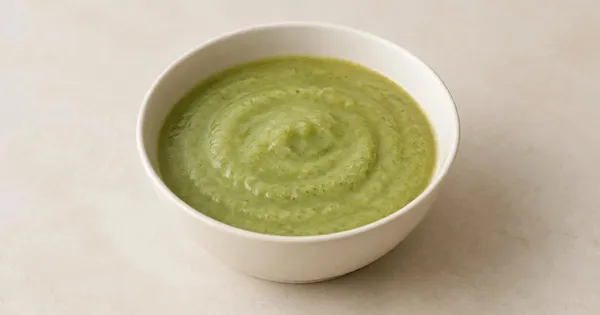
Baby Puree Recipes: 12 Easy First Purees from 6 Months
12 easy homemade baby puree recipes: pumpkin, carrot, broccoli, avocado, lentil and meat purees, plus storage and freezing tips.
3 min read
Recipes
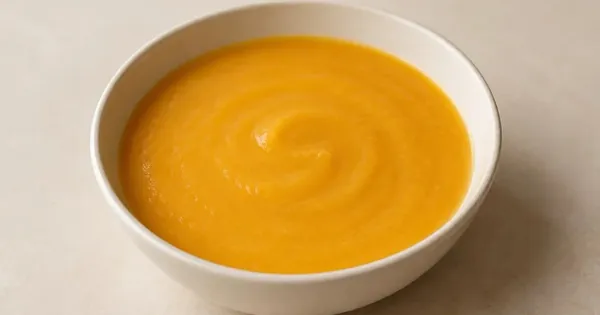
Baby Soup Recipes: 8 Nourishing, Salt-Free Soups for Babies
Baby soup recipes without salt: red lentil, pumpkin, chicken and vegetable, broccoli and zucchini yogurt soup, with the right texture by age and freezing tips.
4 min read
Recipes
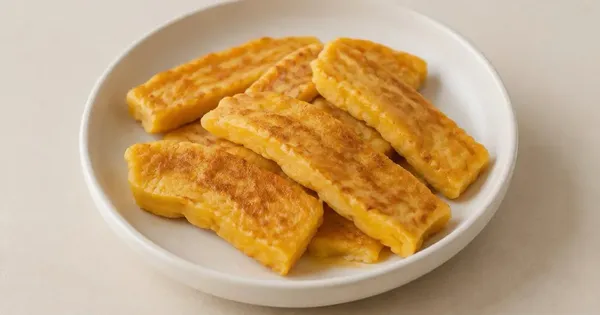
Baby Breakfast Ideas: 15 Easy Breakfasts from 6 Months to 2
Baby breakfast ideas from 6 months to 2 years: easy, nourishing options for each stage, a sugar-free pumpkin pancake recipe and tips to save time each morning.
4 min read