
When Can Babies Have Cow's Milk? Age, Amounts and How to Switch
Lokmi Editorial Team · Last updated: · 5 min read
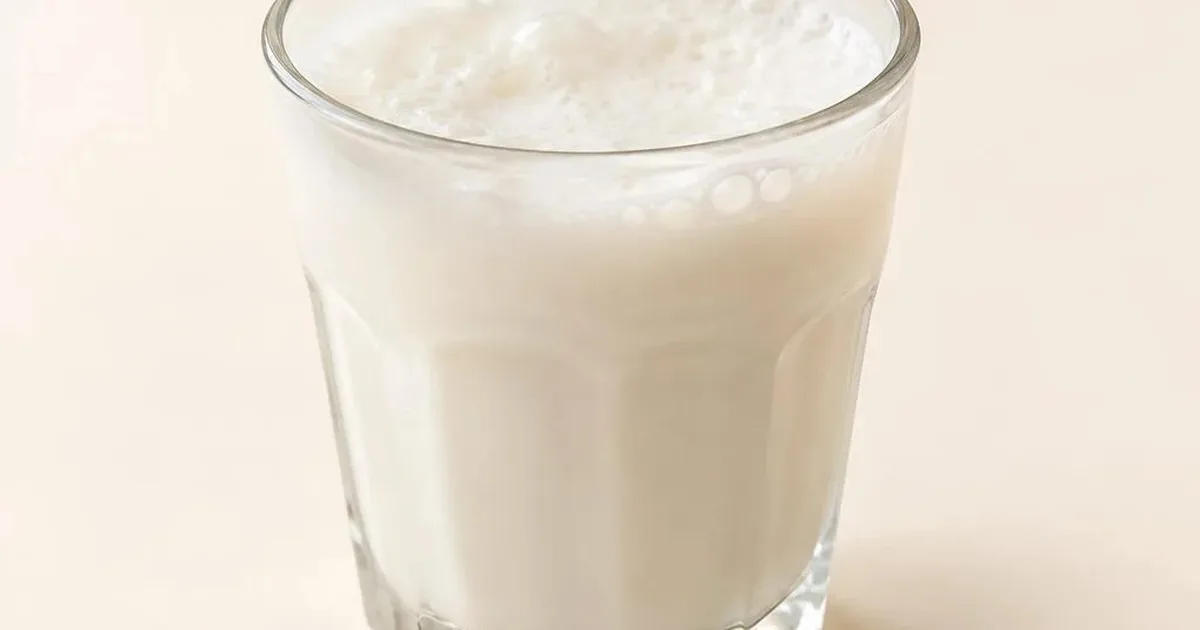
Your baby may have been enjoying yogurt since 6 months, so why does cow's milk have to wait? Here's the short answer: cow's milk can become your child's main drink from 12 months. Before that, small amounts are fine in cooking or mixed into food from around 6 months, while breast milk or formula stays the main drink. Below are the reasons, how much milk a toddler needs, and what to do about plant-based drinks.
Why not as a drink before 1 year?
- Iron. The AAP explains that cow's milk lacks the iron babies need, and that cow's milk protein can irritate the lining of a young baby's stomach and intestines, causing blood loss, sometimes in amounts too small to see. Together, these can lead to iron-deficiency anemia. The CDC also warns of a risk of intestinal bleeding.
- Kidneys. Cow's milk has high levels of protein and minerals, which are hard for a baby's kidneys to handle (AAP, CDC).
- Nutrient balance. Cow's milk doesn't have the right balance of nutrients to meet a baby's needs (NHS). Until 12 months, the NHS says first infant formula is the only suitable alternative to breast milk.
So why are yogurt and cheese okay?
The concern is cow's milk as a main drink, taking the place of breast milk or formula. Dairy foods are treated differently, and both the NHS and the CDC say they can be offered before 12 months:
- Plain, unsweetened, full-fat yogurt from around 6 months (more in when can babies have yogurt)
- Pasteurized full-fat cheese, such as mild cheddar, cottage cheese or cream cheese, from around 6 months. Go easy on salty cheeses.
- Cow's milk in cooking, for example in oatmeal, sauces or mashed potato, from around 6 months
Making the switch at 12 months
- Choose whole milk. The AAP recommends whole (full-fat) milk for most children after their first birthday and says not to give 1% or skim milk before age 2, because it doesn't contain enough fat for brain development. In the UK, the NHS says pasteurized whole or semi-skimmed milk can be a main drink from age 1, while skimmed and 1% milk shouldn't be the main drink before age 5.
- Use a cup, not a bottle. The NHS advises moving away from bottles once your baby is 1. An open cup or a free-flow cup is better for teeth.
- Keep amounts moderate. The AAP suggests limiting milk to about 2 cups (16 oz, about 480 ml) a day or less. The NHS suggests at least 350 ml (12 oz) of milk a day, or 2 servings of dairy foods such as cheese or yogurt.
- Breastfeeding? No need to switch. WHO and the AAP support continuing to breastfeed alongside family food for 2 years or beyond, for as long as you and your child want.
"All they want is milk"
This is one of the most common worries after the first birthday: a toddler who drinks bottle after bottle of milk and barely touches meals. The AAP notes that more than 24 oz (about 720 ml) a day has been linked to iron deficiency when toddlers aren't getting enough iron-rich foods. A few things that help:
- Offer milk after or with meals, not just before them.
- Cut back on night-time bottles gradually.
- Keep the daily total within the AAP's suggested amount.
- Include an iron-rich food at meals every day. Ideas: iron-rich foods for babies.
What about plant-based milks?
Oat, almond, rice and other plant drinks aren't a straight swap for cow's milk. The AAP says most aren't nutritionally equivalent and may be lacking in protein, vitamin D and calcium. Soy milk is the exception it considers an acceptable alternative. The CDC says milk alternatives shouldn't be given before 12 months, and recommends choosing one fortified with vitamin D and calcium.
In the UK, the NHS says unsweetened, calcium-fortified plant drinks can be given from age 1 as part of a healthy, balanced diet, but rice drinks shouldn't be given to children under 5 because of their arsenic levels. If you're thinking about a plant-based drink instead of cow's milk, talk to your pediatrician first.
If your child has a milk allergy
Cow's milk is one of the foods that can trigger allergic reactions in babies, and the NHS notes that milk allergy symptoms can take up to 3 days to appear. If you suspect an allergy, talk to your pediatrician or GP before cutting out dairy: the NHS warns that removing a major food like milk without advice could leave your child short of the nutrients they need. Babies with a cow's milk allergy who aren't breastfed may need a special formula, and goat's milk formula isn't a substitute because its proteins are very similar.
Once an allergy is diagnosed, add it to your child's allergy records in Lokmi. Recipes containing milk and other dairy are then left out of the daily ideas and the weekly plan, and every recipe comes with age-appropriate preparation notes, so the family table keeps working around it.
This article is for general information. If you suspect a milk allergy or intolerance, or before switching to a plant-based drink, talk to your pediatrician.
Frequently asked questions
When can babies have cow's milk?
As a main drink, from 12 months. From around 6 months, small amounts can be used in cooking or mixed into food, and plain yogurt and pasteurized cheese can be offered too.
How much cow's milk should a 1 year old drink?
The AAP suggests limiting milk to about 2 cups (16 oz, about 480 ml) a day or less; the NHS suggests at least 350 ml (12 oz) of milk a day, or 2 servings of dairy foods like cheese or yogurt. More than 24 oz (about 720 ml) a day has been linked to iron deficiency in toddlers who aren't getting enough iron-rich foods.
Can babies have goat's milk instead of cow's milk?
Not as a main drink before 1 year. The NHS says goat's and sheep's milk, like cow's milk, don't have enough iron and other nutrients for babies, and goat's milk formula isn't suitable for babies with a cow's milk protein allergy.
Sources
Related articles
When can babies have...
Introducing Allergens to Babies: Peanut, Egg and More, Step by Step
When and how to introduce allergens to babies: current guidance on peanut, egg, dairy, sesame, fish and wheat, suitable forms to serve, and a step-by-step plan.
3 min read

When can babies have...
When Can Babies Have Eggs? Age, Yolk vs White and Allergy Signs
When can babies have eggs? From around 6 months, fully cooked. Whether to start with the yolk, how to introduce egg, allergy signs and easy egg ideas by age.
5 min read
When can babies have...
When Can Babies Have Honey? Why the 1-Year Rule Matters
When can babies have honey? Not before 12 months. Why honey can cause infant botulism, where it hides in foods, warning signs and sweet ideas without honey.
4 min read