
When Can Babies Have Yogurt? Best Types, Homemade and Ideas
Lokmi Editorial Team · Last updated: · 4 min read
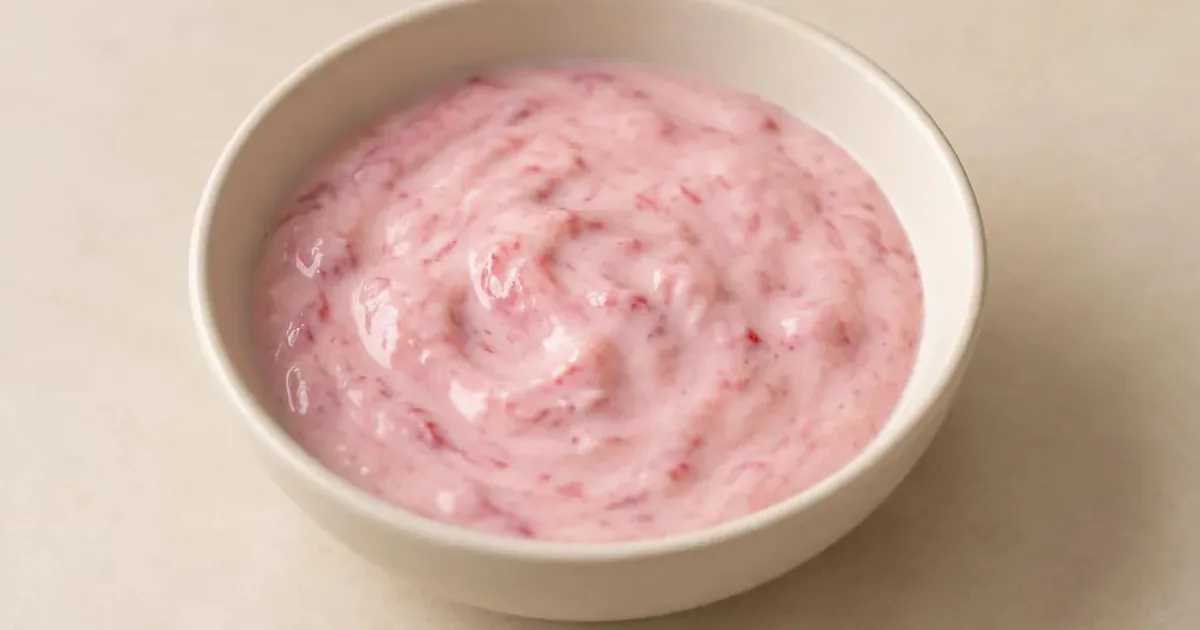
Yogurt is a staple of Turkish home cooking and one of the easiest foods to bring into your baby's first months of solids. It's creamy and mild, and like other dairy foods it's a good source of protein and calcium. It also pairs with almost any fruit or vegetable. So, when can babies have yogurt? Plain, unsweetened, full-fat yogurt can be offered from around 6 months, once your baby has started solids.
Yogurt from around 6 months
Cow's milk isn't recommended as a main drink before 12 months, but yogurt is a different story. The NHS says pasteurized full-fat yogurt is suitable from around 6 months, and the AAP lists whole milk yogurt and Greek yogurt, mixed with a fruit your baby already knows, among the dairy foods you can introduce while milk as a drink waits until the first birthday.
Milk is a common allergen, so start with a small amount and watch your baby afterward. The NHS notes that with a cow's milk allergy, symptoms can take up to 3 days to appear, which is one reason many parents leave a few days between new foods (the 3-day rule).
There's no set amount to aim for. A few spoonfuls is plenty to begin with, and breast milk or formula stays your baby's main drink through the first year.
The same goes for other dairy foods: the NHS says pasteurized full-fat cheese, such as mild cheddar, cottage cheese or cream cheese, is also fine from around 6 months. Avoid soft mold-ripened cheeses like brie and camembert, and cheeses made from unpasteurized milk.
Choosing yogurt for your baby
- Plain and unsweetened: check that the label doesn't list sugar, glucose syrup or fruit concentrate. The NHS points out that plain, unsweetened yogurts are a good choice because they don't contain added sugars.
- Full-fat: the NHS recommends full-fat dairy foods up to age 2, as young children need fat and energy to grow.
- Pasteurized: made from pasteurized milk.
- Homemade: fine too, as long as you start with pasteurized milk.
Better to skip: fruit and flavored yogurts, sweetened "kids'" yogurts and dairy desserts, and salty yogurt drinks like Turkish ayran. Thick strained (Greek-style) yogurt is fine if it's plain and full-fat, but use small amounts and loosen it with a little water, breast milk or formula for younger babies.
Easy homemade yogurt
You'll need: 1 liter (about 4 cups) whole pasteurized milk and 1 tbsp (15 ml) plain yogurt as a starter.
- Bring the milk to a boil, then let it cool until it feels warm but not hot, about 42-45°C (108-113°F).
- Whisk the starter with a little of the warm milk in a bowl, then stir it into the rest.
- Cover the pot, wrap it in a thick towel and leave it undisturbed for 6-8 hours.
- Once it has set, move it to the fridge. Keep it covered and use it within a few days.
Ways to serve yogurt
- With fruit: mashed banana, pear puree, mashed strawberries, or blueberries mashed or cut into quarters
- With vegetables: zucchini or carrot with yogurt, broccoli with yogurt, or spinach borani (cooked spinach folded into yogurt, a Turkish classic)
- At breakfast: a spoonful stirred into oatmeal (see baby oatmeal recipes)
- As a dip: next to soft meatballs or cooked vegetable sticks
- For allergens: stir a little smooth peanut butter or tahini into yogurt, a simple way the AAP also suggests for introducing peanut (introducing allergens to babies)
Whole berries are a choking hazard, so always mash or quarter them for babies.
Yogurt and constipation
Yogurt is often suggested for constipation, but it isn't a fix on its own. The AAP says there isn't enough research to support pre- or probiotics for constipation in children. The usual advice focuses on fiber from fruit and vegetables and enough to drink. More in foods for baby constipation.
Yogurt on the weekly menu
Lokmi has many yogurt recipes, from strawberry, mulberry and fresh fig yogurt to zucchini or beet with yogurt, yogurt oat pancakes and pasta with yogurt sauce, each with serving notes for your baby's stage. The daily ideas also mix things up from day to day, so yogurt doesn't crowd out new flavors.
This article is for general information. If you suspect a milk allergy, talk to your pediatrician before offering yogurt.
Frequently asked questions
Can a 6 month old have yogurt?
Yes. The NHS says pasteurized full-fat yogurt is suitable from around 6 months, once your baby has started solids. Choose plain yogurt with no added sugar and start with a small amount.
Can babies have Greek yogurt?
Yes, as long as it's plain, full-fat and unsweetened. The AAP mentions whole milk yogurt or Greek yogurt mixed with a fruit your baby already eats. Greek yogurt is thick, so you can loosen it with a little water, breast milk or formula.
Can babies have flavored or fruit yogurt?
It's best not to. Flavored and fruit yogurts often contain added sugar, and the CDC says children under 2 shouldn't have added sugars. Stir fresh mashed fruit into plain yogurt instead.
Sources
Related articles
When can babies have...
Introducing Allergens to Babies: Peanut, Egg and More, Step by Step
When and how to introduce allergens to babies: current guidance on peanut, egg, dairy, sesame, fish and wheat, suitable forms to serve, and a step-by-step plan.
3 min read

When can babies have...
When Can Babies Have Eggs? Age, Yolk vs White and Allergy Signs
When can babies have eggs? From around 6 months, fully cooked. Whether to start with the yolk, how to introduce egg, allergy signs and easy egg ideas by age.
5 min read

When can babies have...
When Can Babies Have Honey? Why the 1-Year Rule Matters
When can babies have honey? Not before 12 months. Why honey can cause infant botulism, where it hides in foods, warning signs and sweet ideas without honey.
4 min read