
Sweet Potato for Babies: When to Start and How to Serve It
Lokmi Editorial Team · Last updated: · 5 min read
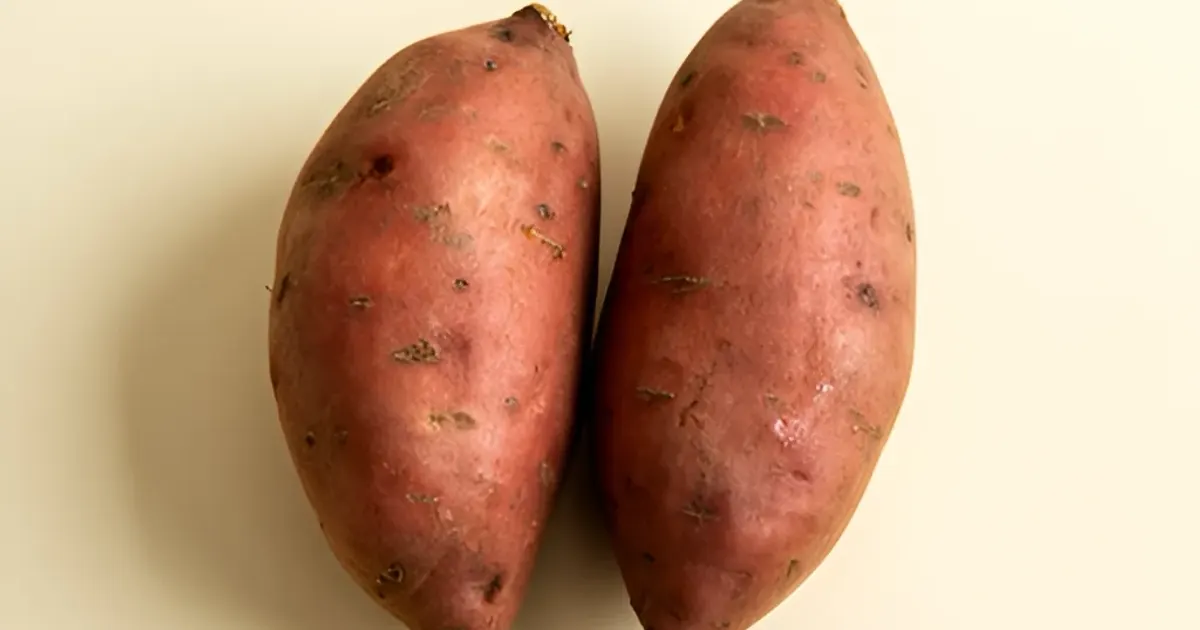
Bright orange, naturally sweet and soft once cooked, sweet potato is a favorite with babies and parents alike. Babies can have sweet potato from around 6 months, when they start solids. Peel it, cook it until a fork slides in easily, then mash it or cut it into soft, finger-length sticks. Skip the salt, stock cubes and sugar: it tastes great on its own.
Why sweet potato works well for babies
- It's an NHS first-food suggestion. The NHS lists mashed or soft cooked sticks of sweet potato among first foods to try, and includes it among the starchy foods for babies.
- It suits every feeding style. Spoon-fed purees and baby-led weaning both work, and many families do a bit of each.
- It's easy to batch cook. Cooked sweet potato mash freezes well in small portions (see how to freeze baby food).
- It pairs with almost anything: lentils, chicken, broccoli, yogurt or a little cinnamon.
One thing to keep in mind: because sweet potato is naturally sweet, it's easy to rely on it. The NHS suggests also offering vegetables that aren't sweet, such as broccoli, cauliflower and spinach, to help your baby get used to a range of tastes. Mixing sweet potato with broccoli is a gentle way to do both.
How to cook sweet potato for a baby
Wash and peel it first. Then choose your method:
| Method | How | Roughly how long |
|---|---|---|
| Steam | 2 cm (¾ inch) cubes in a steamer | 15 to 20 minutes |
| Boil | Same cubes in unsalted water | About 15 minutes |
| Bake sticks | Finger-thick sticks, tossed in a little olive oil, at 200°C (400°F), or 180°C (350°F) fan | 25 to 30 minutes, turning halfway |
It's ready when a fork slides in easily and the inside squashes easily between two fingers, with no hard edges. Keep a few spoonfuls of the cooking water to loosen the mash. Let everything cool until lukewarm, and check the temperature before serving.
How to serve sweet potato by age
| Age | Texture | How to serve |
|---|---|---|
| From around 6 months | Mashed or soft sticks | Smooth or slightly lumpy mash from a spoon, or soft sticks long enough to stick out of your baby's fist |
| 9 to 11 months | Soft cooked pieces | Small soft pieces or sticks to pick up and self-feed |
| 12 to 23 months | Small pieces | Cooked small pieces, or as part of family meals |
| 2 years and up | Family texture | From the family meal, in suitably sized pieces |
The NHS encourages moving on from smooth purees to mashed and finger foods as soon as your baby is ready, and to keep offering lumpy textures from around 6 to 7 months. Soft sweet potato is a perfect texture to practice with. More ideas: finger foods for babies.
Choking tips
- Never offer it raw. Hard raw vegetables are a choking hazard; cook sweet potato until fully soft.
- Peel it. The NHS notes that removing the skin from vegetables makes them easier to swallow, especially for very young children.
- Think shape. Cut cooked sweet potato into slices or narrow batons rather than hard, round chunks. Once your baby eats small pieces, the AAP advises keeping them no larger than ½ inch (about 1 cm).
- Watch crispy edges. Roasted sticks can develop firm, crunchy ends. Trim them off for young babies.
- Sit and supervise. Your baby should sit upright in a high chair and never eat alone.
Easy sweet potato ideas
- Sweet potato mash: just sweet potato and a little cooking water
- Sweet potato and broccoli mash: sweet meets green
- Sweet potato and carrot mash: a filling root vegetable mash for the freezer
- Red lentil and sweet potato mash: lentils add protein and iron (we suggest lentils from 7 months; the NHS lists them among protein foods suitable from around 6 months)
- Baked sweet potato fingers: an easy finger food
- Sweet potato pancakes: mashed sweet potato, egg and a little flour, cooked through
- Sweet potato and chickpea patties: soft patties to hold, from 7 months like the lentils
- Sweet potato and cinnamon muffins: sweetened by the sweet potato itself, no added sugar
Find more blends in our baby puree recipes.
Store-bought sweet potato
Pouches and jars can be handy now and then, but the NHS advises not relying on them as everyday food. Check the label and choose the option with the least sugar, and squeeze pouches onto a spoon rather than letting your baby suck from the spout, which can increase the risk of tooth decay. Canned sweet potatoes in syrup and salted sweet potato fries are better left for later, because babies don't need added sugar or salt.
What's in the kitchen?
Sweet potato and broccoli mash, red lentil and sweet potato mash and baked sweet potato fingers are all step-by-step recipes in Lokmi, with serving notes for your child's age. Got a sweet potato and a few other bits at home? Type them into What's at home? and Lokmi suggests recipes that use them.
This article is for general information. If you have concerns about your baby's eating or growth, talk to your pediatrician.
Frequently asked questions
When can babies eat sweet potato?
From around 6 months, once your baby has started solid foods. Peel it, cook it until soft, then mash it or offer soft sticks your baby can hold.
How do you cook sweet potato for a baby?
Steam, boil or bake it without salt or sugar until a fork slides in easily. Mash it with a little of the cooking water, or cut it into soft finger-length sticks, and let it cool before serving.
Can I give my baby sweet potato every day?
It can be a regular part of meals, but variety matters. The NHS suggests including less sweet vegetables such as broccoli, cauliflower and spinach too, so your baby gets used to a range of flavors.
Sources
Related articles
When can babies have...
Introducing Allergens to Babies: Peanut, Egg and More, Step by Step
When and how to introduce allergens to babies: current guidance on peanut, egg, dairy, sesame, fish and wheat, suitable forms to serve, and a step-by-step plan.
3 min read
When can babies have...
When Can Babies Have Eggs? Age, Yolk vs White and Allergy Signs
When can babies have eggs? From around 6 months, fully cooked. Whether to start with the yolk, how to introduce egg, allergy signs and easy egg ideas by age.
5 min read
When can babies have...
When Can Babies Have Honey? Why the 1-Year Rule Matters
When can babies have honey? Not before 12 months. Why honey can cause infant botulism, where it hides in foods, warning signs and sweet ideas without honey.
4 min read