
Avocado for Babies: When to Start and How to Serve It by Age
Lokmi Editorial Team · Last updated: · 5 min read
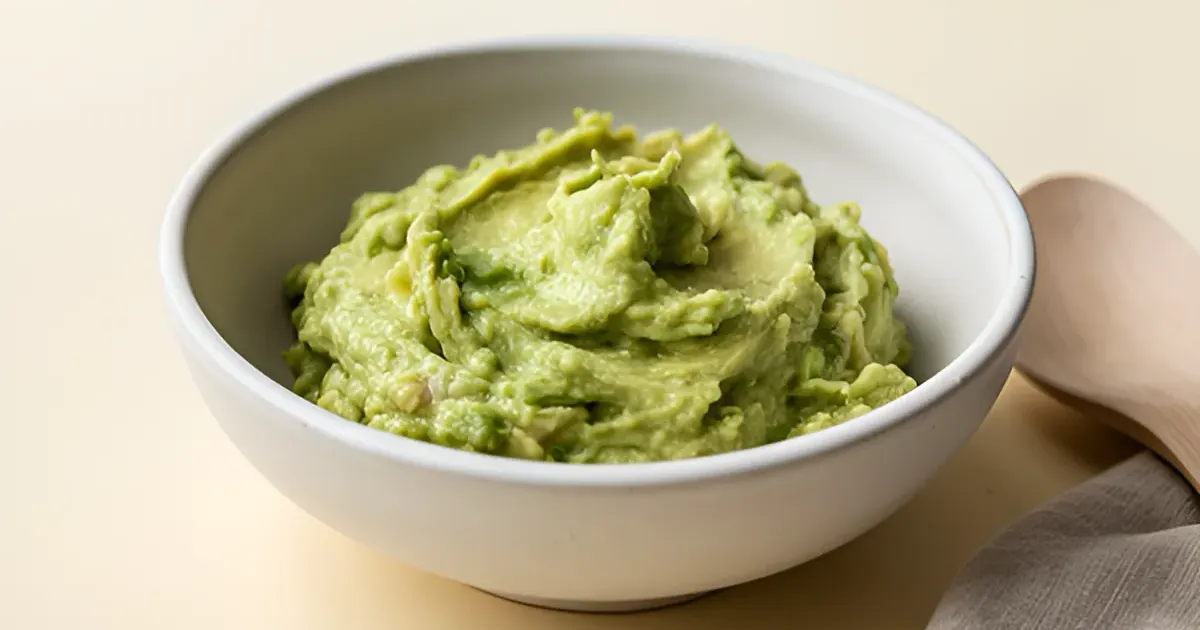
Creamy, mild and ready in seconds, avocado is one of the easiest first foods there is. Babies can have avocado from around 6 months, when they start solids. Serve it ripe and soft: mashed or in finger-length strips at first, then in small soft pieces once your baby can pick up little bits. No cooking needed, and no salt, sugar or honey.
Why avocado is a good first food
- It's soft when ripe. A fork turns it into a smooth or lumpy mash in seconds, and soft strips are easy for little hands to hold.
- It's on the NHS list. The NHS includes avocado among the foods to offer from around 6 months, and "grabbable bits of avocado" among its finger food examples.
- It's naturally rich in fat. The NHS explains that young children, especially under 2, need the energy that fat provides.
- It mixes with almost anything. Banana, plain yogurt, zucchini, well-cooked egg or pasta all pair well with its mild taste.
How to choose and prepare it
A ripe avocado gives slightly when you press it gently. Hard, unripe avocado is difficult to mash and leaves firm bits, so wait a day or two if it's still solid.
- Wash the skin, halve the avocado and always remove the stone (pit).
- Scoop out the flesh or peel off the skin.
- Mash or cut it just before serving: cut avocado browns quickly.
How to serve avocado by age
| Age | Texture | How to serve |
|---|---|---|
| From around 6 months | Mashed or soft strips | Mash with a fork (smooth or slightly lumpy), or offer finger-length strips your baby can hold in their fist |
| 9 to 11 months | Mashed or small soft pieces | Offer small soft pieces and let your baby feed themselves |
| 12 to 23 months | Small pieces | Small pieces on the plate, or mashed onto toast fingers |
| 2 years and up | Slices | Slices like the rest of the family, eaten sitting down |
For finger foods, the NHS suggests pieces big enough for your baby to hold in their fist with a bit sticking out; pieces about the size of your own finger work well. You can move from mash to strips at your baby's pace, or offer both at the same meal. Our finger foods for babies guide has more ideas for this stage.
Choking-safe sizes and tips
- Ripe and soft only. The CDC lists pieces of hard raw fruit among choking hazards, so skip avocado that is still firm.
- Strips first, small pieces later. Young babies grab with their whole hand, so the NHS's finger-length strips are easier for them to hold than tiny cubes. The AAP's general rule is to cut food for infants and young children into pieces no larger than ½ inch (about 1 cm), which suits avocado well once your baby picks up small bits between finger and thumb.
- Make it less slippery. Ripe avocado strips can be hard to grip. Rolling them in finely ground oats gives little fingers more to hold on to.
- Always sit and supervise. Your baby should be alert and sitting upright in a high chair, with you right there for the whole meal.
Gagging is common while babies learn new textures and is usually a normal reflex. If you're unsure of the difference, read gagging vs choking in babies.
Easy avocado ideas
- Avocado and banana mash: half a ripe avocado mashed with half a banana, a sweet and creamy first mash
- Avocado and yogurt mash: stirred into plain, full-fat yogurt
- Zucchini and avocado mash: steamed zucchini mashed with avocado
- Avocado and egg mash: with a hard-boiled egg, yolk and white cooked firm
- Avocado pasta: blend avocado with a little pasta cooking water to make a quick green sauce
- Avocado toast fingers: mashed avocado spread on lightly toasted bread cut into narrow strips
- Mild guacamole: avocado, a little tomato, lemon juice and fresh cilantro (coriander), no salt
Avocado sits nicely alongside other first foods for babies. Remember to offer a variety, including less sweet vegetables like broccoli and spinach.
What about allergies?
Avocado isn't one of the foods the NHS lists as more likely to trigger allergic reactions, but many different foods can cause one, so offer it as you would any new food and watch your baby afterwards. Signs of an allergic reaction can include a red, itchy rash, swollen lips or face, vomiting or diarrhea. If you notice a mild reaction, stop offering the food and talk to your pediatrician. Swelling of the throat or tongue, or any breathing difficulty, is an emergency: call 911 (US and Canada), 999 (UK) or 000 (Australia).
From mash to slices
Avocado and banana mash, zucchini and avocado mash and avocado pasta are among Lokmi's step-by-step recipes, each with serving notes for your child's age, from a smooth mash at 6 months to slices for a preschooler. After the meal, a quick entry in Food Journey records whether your baby tasted it and how it went, so you can see which foods they're still getting to know.
This article is for general information. If you have concerns about your baby's eating, choking or allergies, talk to your pediatrician.
Frequently asked questions
When can babies eat avocado?
From around 6 months, once your baby has started solid foods. Ripe avocado needs no cooking: mash it with a fork or offer soft, finger-length strips.
Is avocado a choking hazard for babies?
Any food can cause choking, so serve avocado ripe and soft. Offer it mashed or in finger-length strips to young babies, and in pieces no larger than ½ inch (about 1 cm) once they pick up small bits, always with your baby sitting upright and supervised.
Can babies be allergic to avocado?
Avocado isn't among the foods the NHS lists as more likely to trigger allergic reactions, but many different foods can cause one. Offer it like any new food and watch for signs such as a rash, swelling or vomiting.
Sources
Related articles
When can babies have...
Introducing Allergens to Babies: Peanut, Egg and More, Step by Step
When and how to introduce allergens to babies: current guidance on peanut, egg, dairy, sesame, fish and wheat, suitable forms to serve, and a step-by-step plan.
3 min read
When can babies have...
When Can Babies Have Eggs? Age, Yolk vs White and Allergy Signs
When can babies have eggs? From around 6 months, fully cooked. Whether to start with the yolk, how to introduce egg, allergy signs and easy egg ideas by age.
5 min read
When can babies have...
When Can Babies Have Honey? Why the 1-Year Rule Matters
When can babies have honey? Not before 12 months. Why honey can cause infant botulism, where it hides in foods, warning signs and sweet ideas without honey.
4 min read